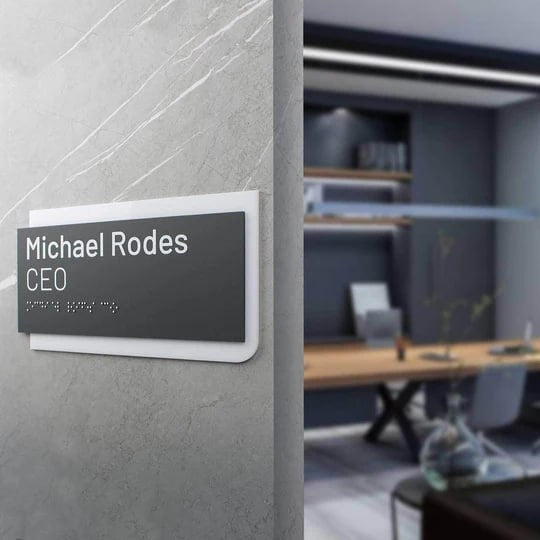





Directional Signs

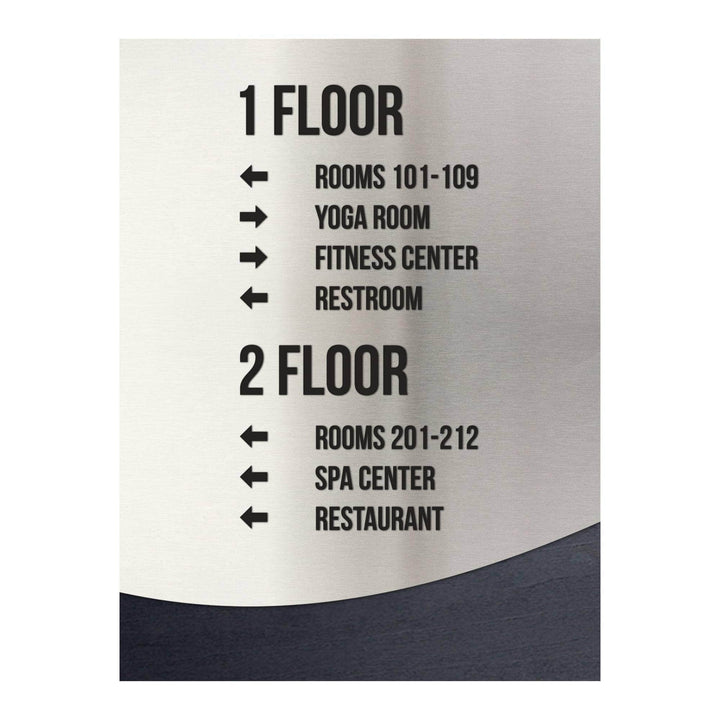

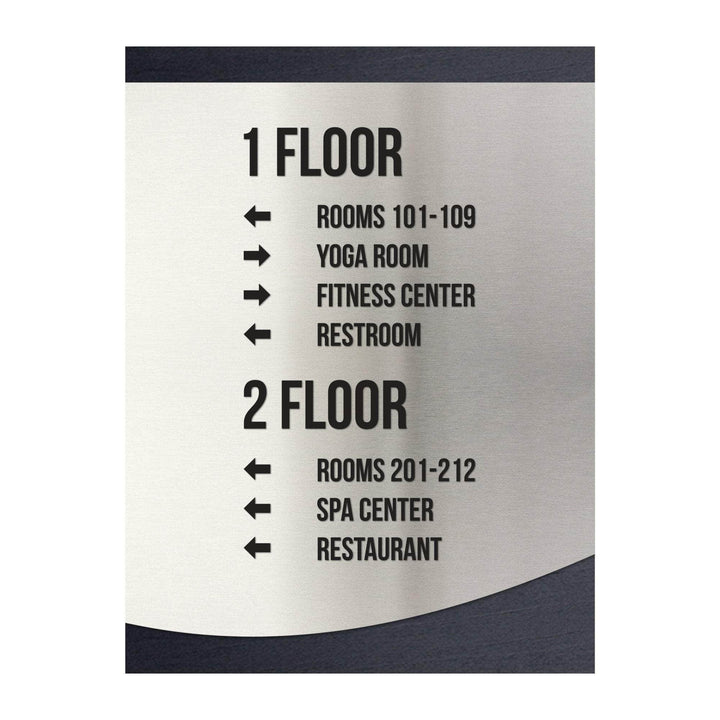

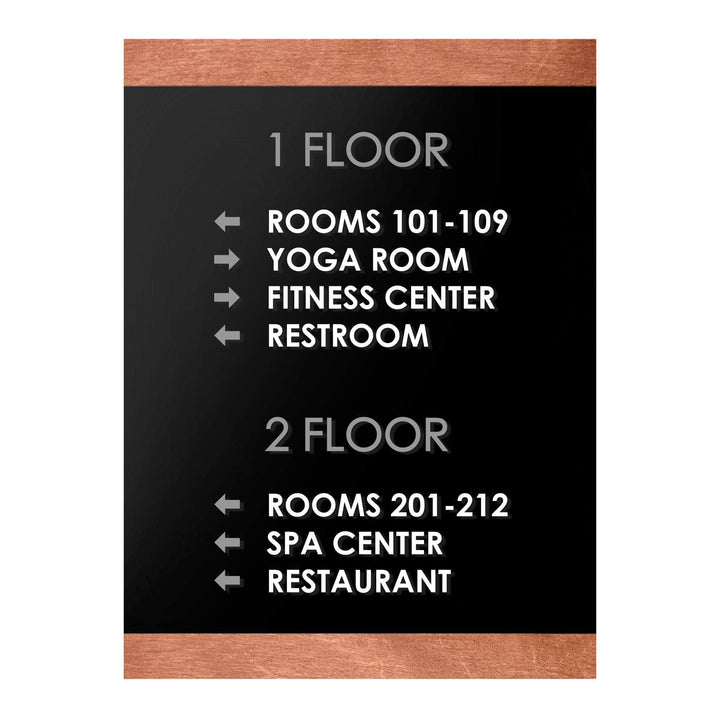






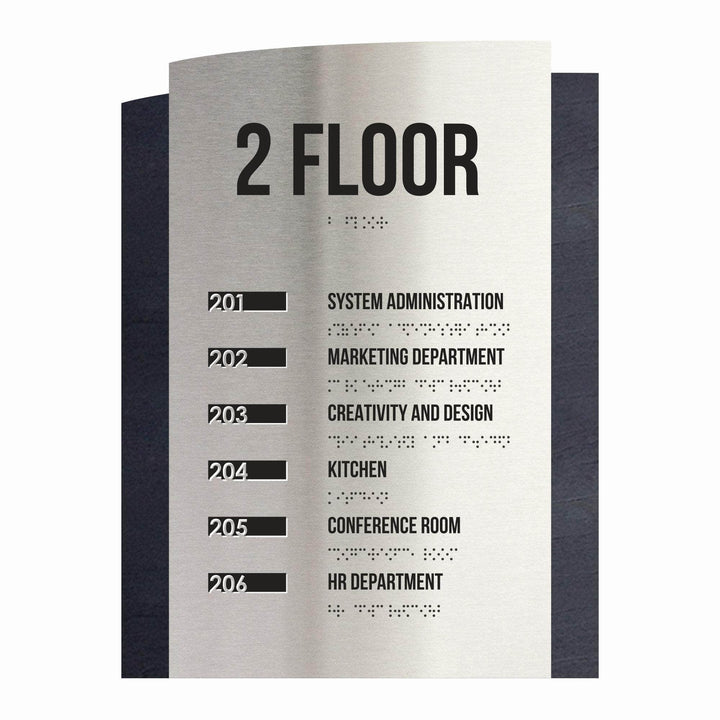
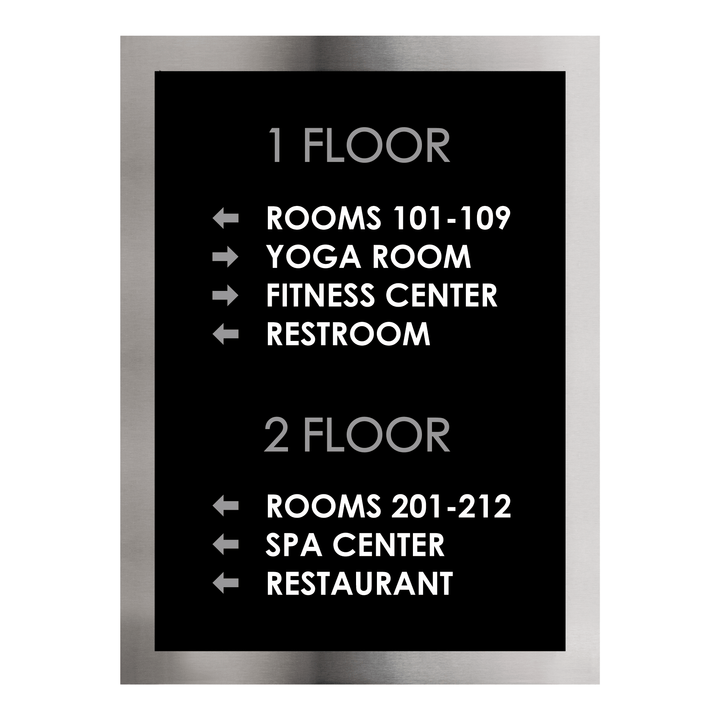


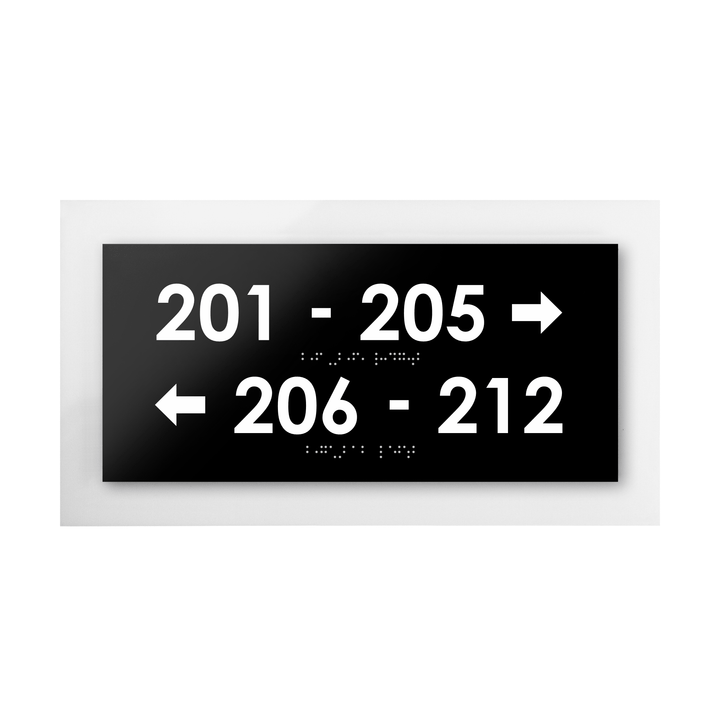

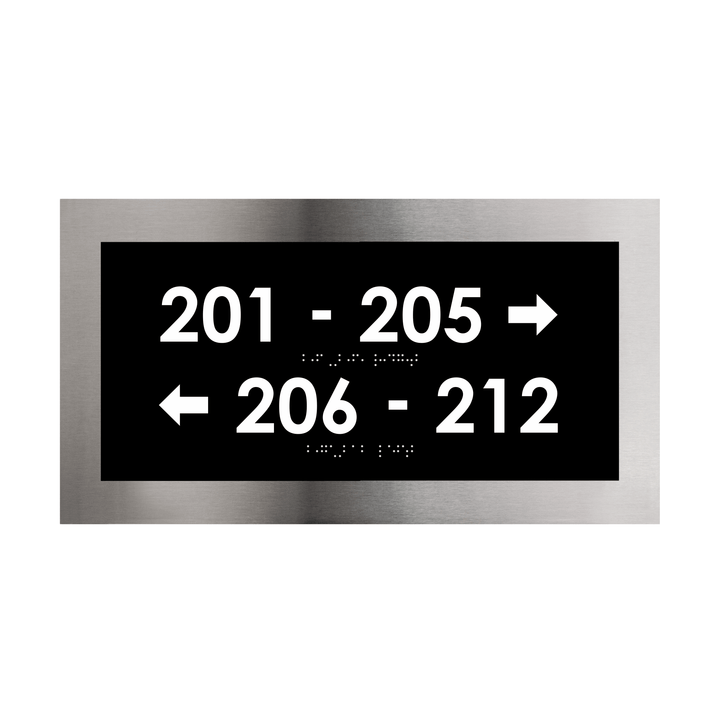


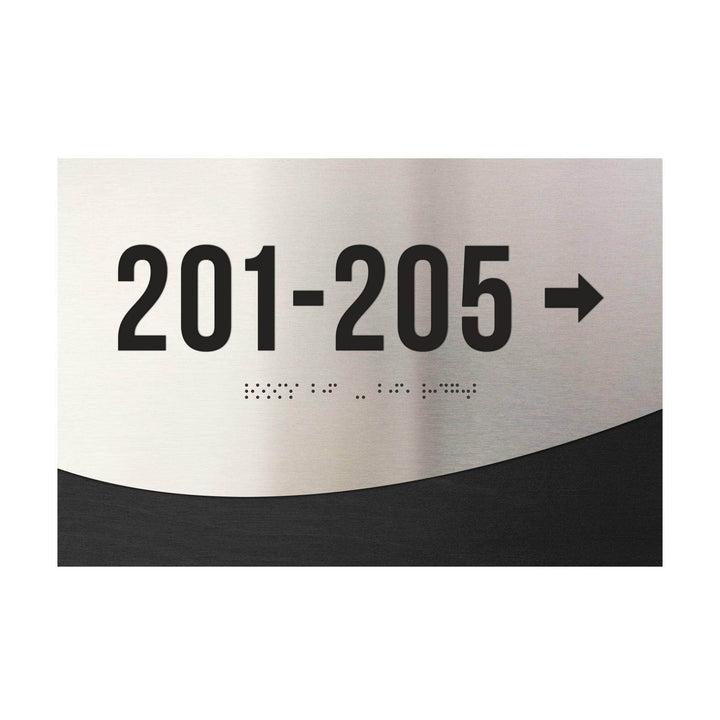
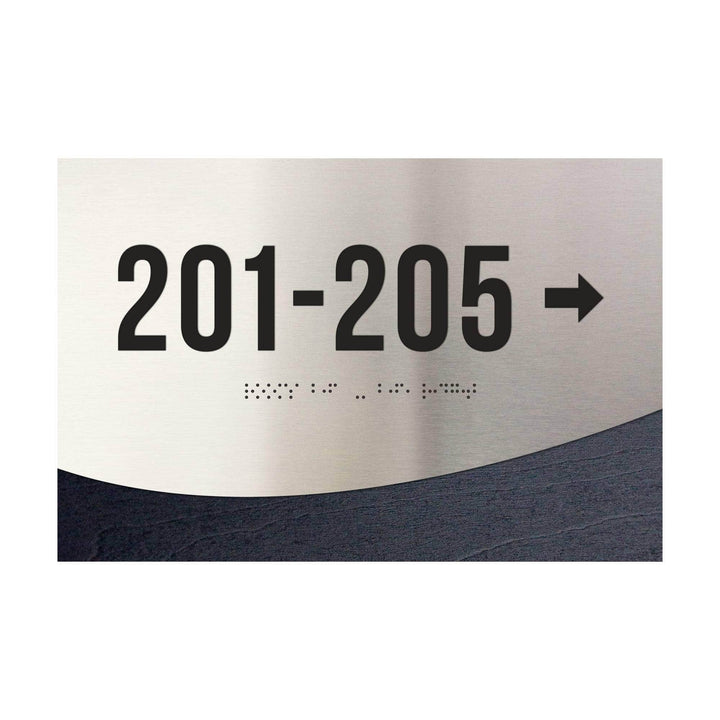
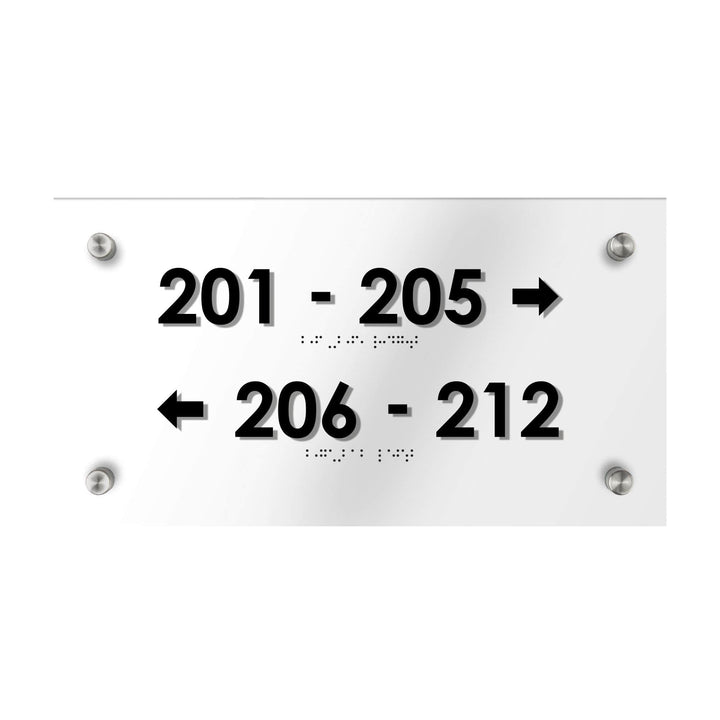


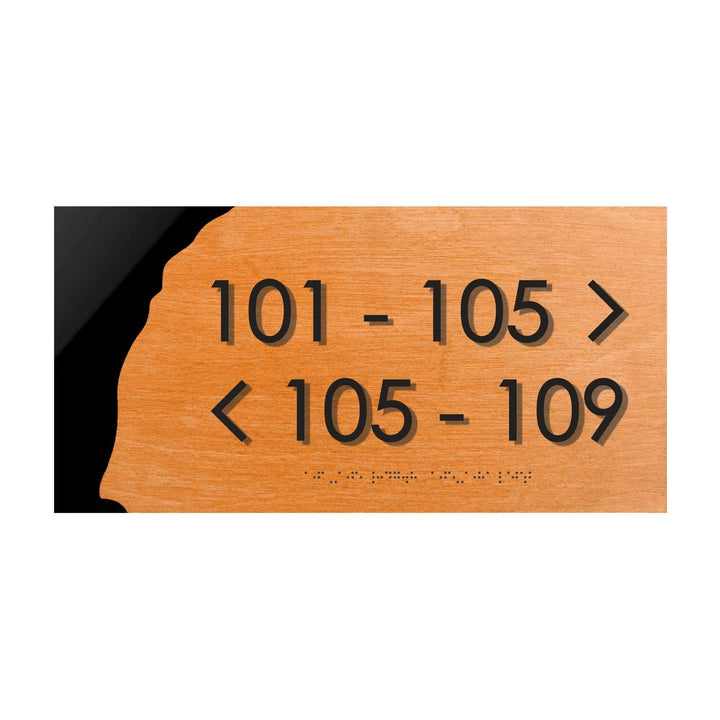





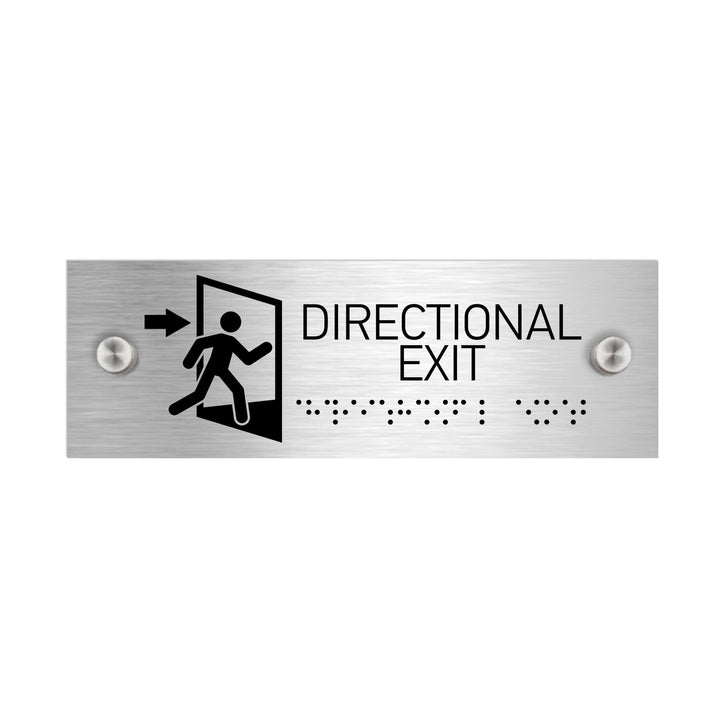

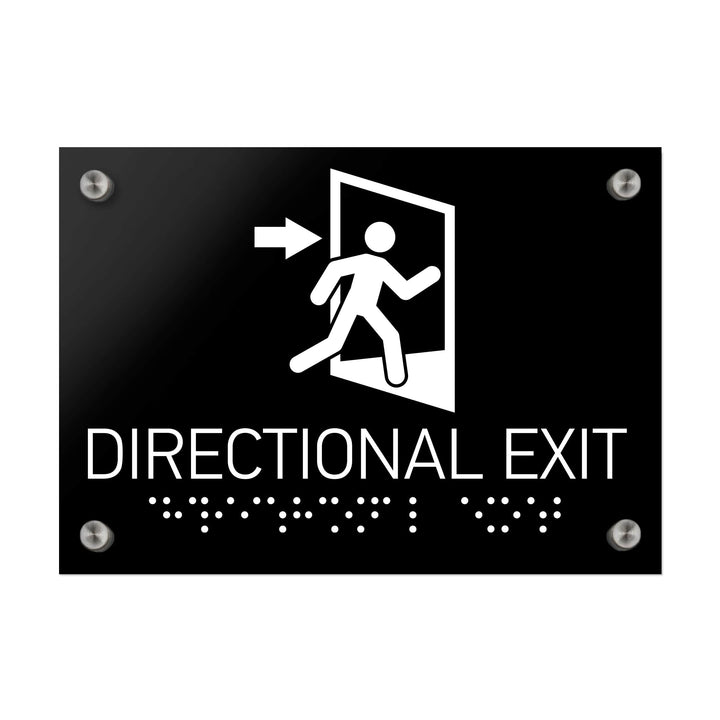

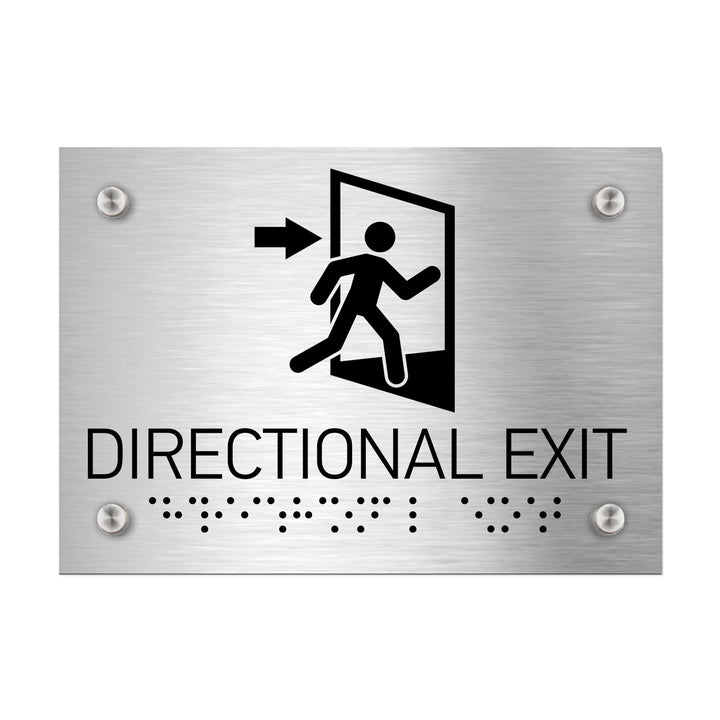

Directional Signs & Wayfinding Signage for Offices, Hotels, and Commercial Spaces
Finding your way through an unfamiliar building shouldn’t feel like a puzzle. Directional signs help take this guesswork out. A visitor who reads a well-placed sign turns the right way and reaches the floor or office without stopping to ask anyone. When directional signage works, the visitor experience improves while the room stays calm, since well-placed directional signs guide without drawing the eye to themselves.
Good navigation signage speaks way before words do. That’s because wayfinding signs lean on visual communication that the eye reads in a second, well before anyone pauses to think about it. And getting that right is harder than it may sound.
What Are Directional Signs?
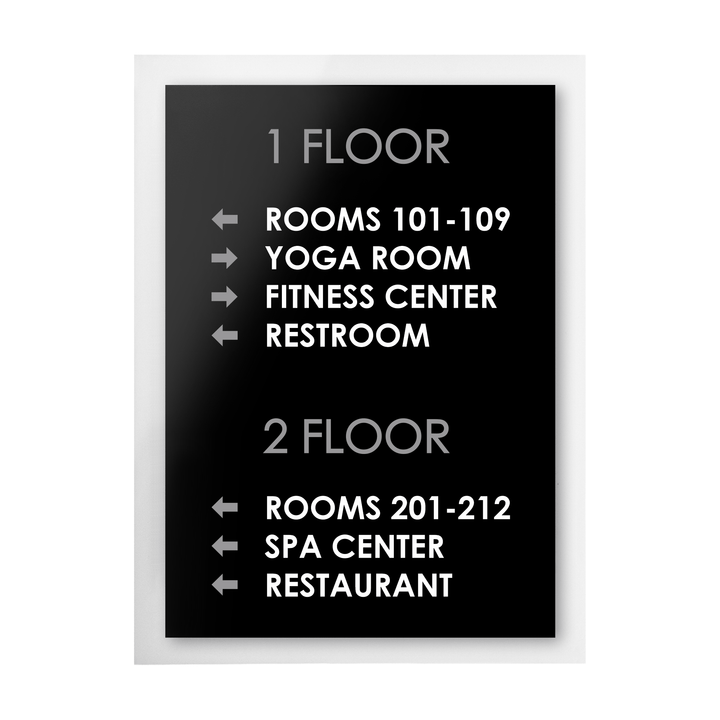
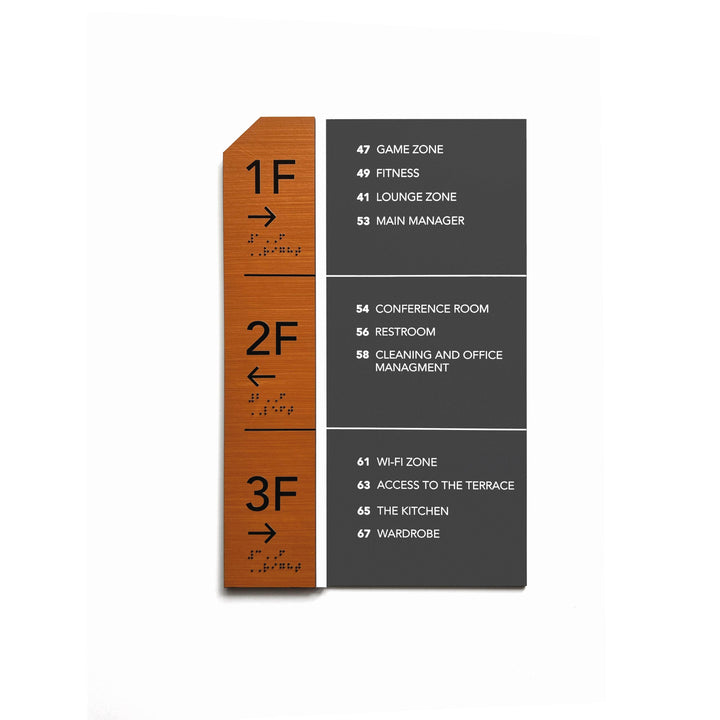
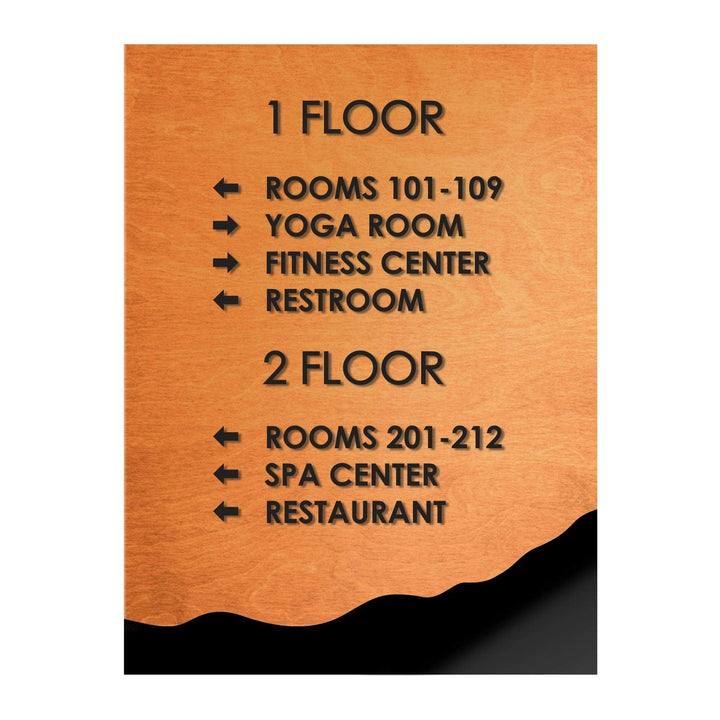
Directional signs are the markers that guide people toward a specific destination in a certain space. Whether that's a meeting room down the hall or the parking garage two levels below, the signs quietly do their job. An arrow with a short label is the most familiar form of such signage, and directional arrow signs are read at a glance. Their job in building navigation stays narrow: getting you from where you are to where you need to be.
But how do these markers fit into wayfinding signage? Wayfinding is a wider category; it’s everything that helps a person find their way through a space, not only signs. Wayfinding may start with the big overview map by the entrance and finish with the small room identification signs sitting on each door, being a much wider system. Within that system, directional signs handle one job: movement. They don't confirm you've arrived the way a door plate does, and they don't map the building the way an entrance display does. A single arrow pointing toward the elevators does the quieter work of indoor navigation, moving you one decision closer to where you're headed.
Directional Signage Solutions for Offices, Hotels, and Business Spaces
Every space moves people differently, so directional signage has to read the building it lives in. A law firm’s quiet corridors ask for something other than a hotel lobby at check-in. The four spaces below each shape the way indoor directional signs get planned, from office wayfinding that respects an open floor to hospitality signage built for guests who arrived an hour ago. Whether the goal is calm workplace navigation or a smoother residential navigation experience, it starts with destination signage built around the people who'll actually use it.
Office Directional Signs
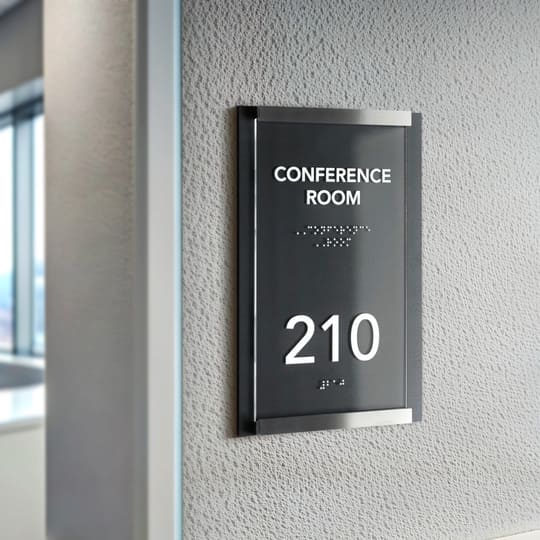
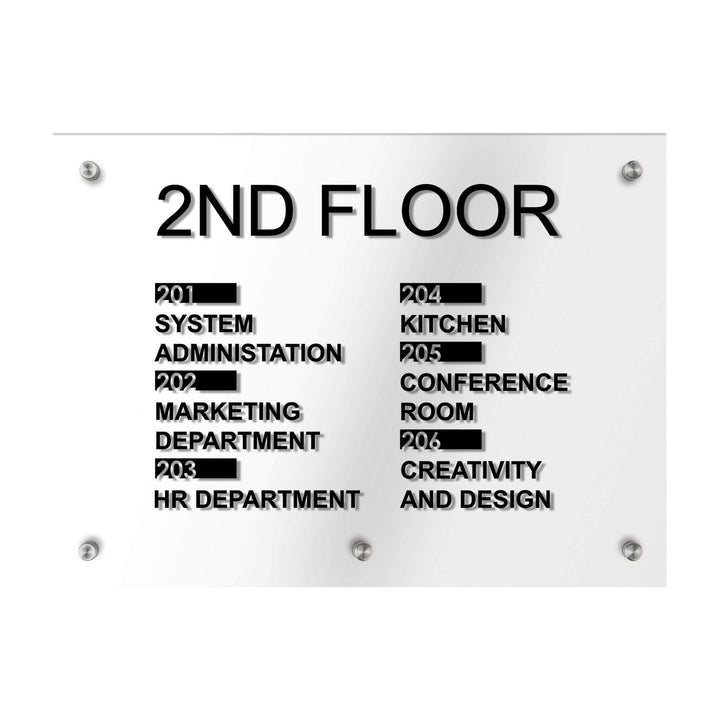
An office runs on quiet movement. A visitor reaches the meeting they're already late for without once stopping to wonder which way to turn. That ease is the point in office ambience. A panel by the lift names each department, while a discreet marker outside the boardroom keeps a visitor from wandering past it twice. Our range of office directional signs covers those everyday cases, and where workplace navigation is handled well, visitors stop hovering at the entrance, and staff stop walking new hires around. Office navigation that works is the kind nobody mentions, because it never made anyone pause.
Hotel Directional Signs
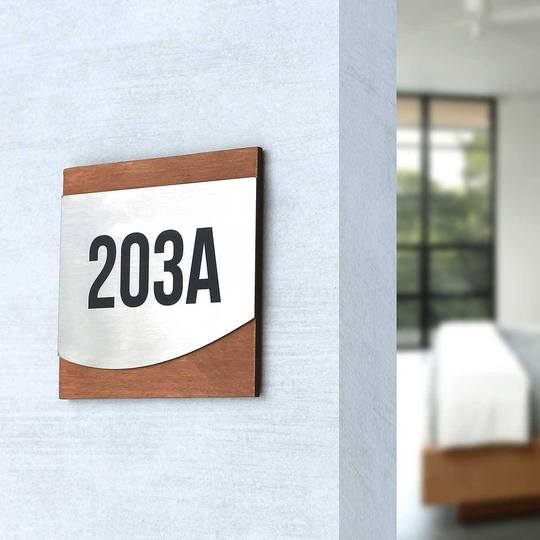
Guests arrive tired. They've travelled, they're carrying bags, and the last thing they want is to circle a corridor hunting for room 214. Our range of hotel directional signs eases that whole first stretch, guiding someone from the lobby toward the lift, then along the right floor to their door. Then come the questions about everything else, like the spa nobody can find or the breakfast room tucked behind an unmarked turn. Strong hospitality signage answers those questions before a guest reaches the front desk to ask.
Apartment & Residential Directional Signs
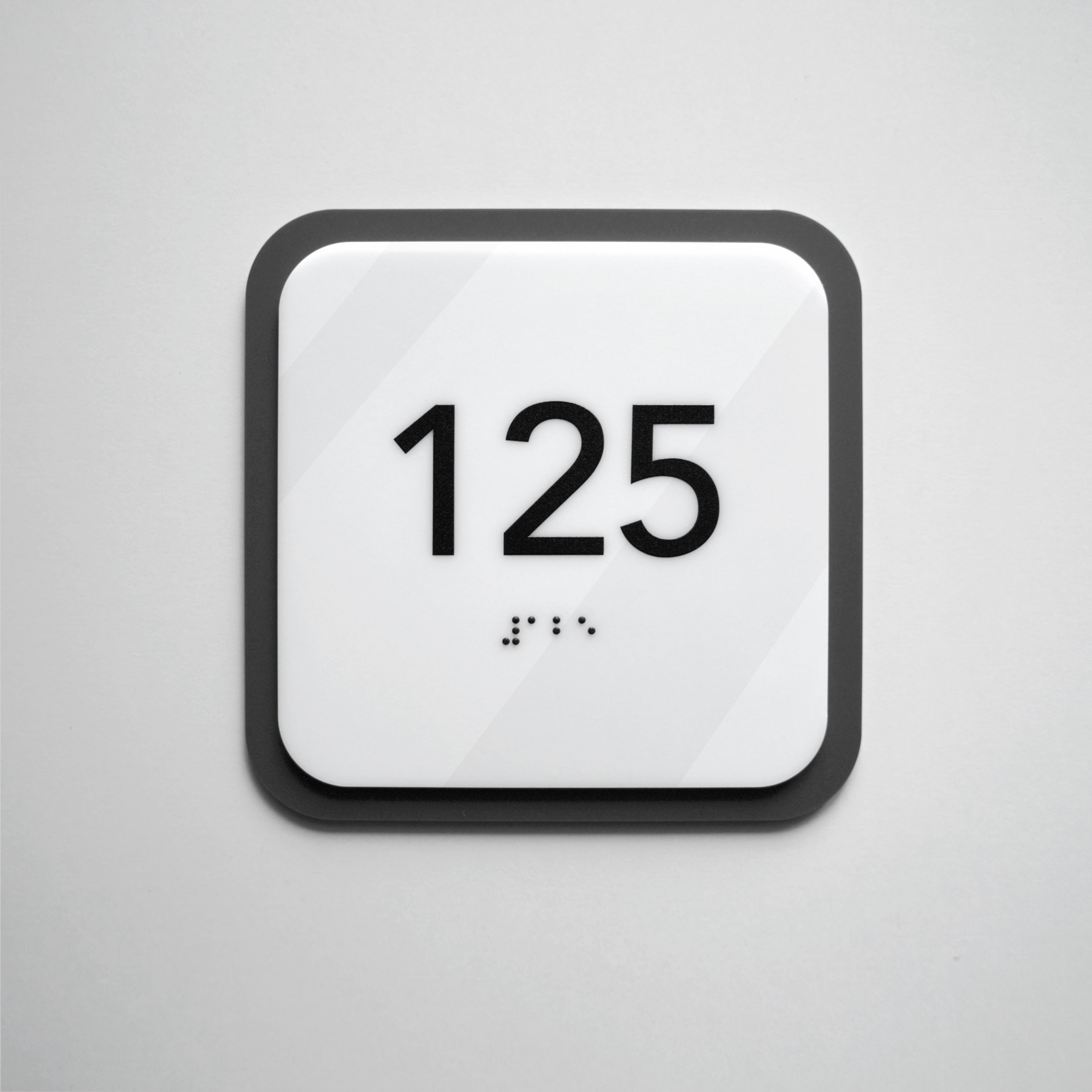
Residents learn their building in a day or two, which is exactly why the signage isn't really for them. It's for the courier with a parcel who has minutes to find the right block, or the friend visiting a flat they've never seen. Apartment directional signs sort out the parts a newcomer can't guess, like which stairwell leads to the even-numbered flats or where the bin store sits. Clear unit numbering at each landing carries most of the load in such cases. Get the visit orientation right, and the building feels welcoming long before anyone knocks on a door.
Directional Signs for Commercial Buildings
A commercial building has more riding on its signage than most others. When a customer can't find your floor, that confusion attaches itself to your brand before a single conversation happens. Directional signs for businesses keep that from going wrong, carrying your branding while pointing people exactly where they need to be. Smooth customer navigation also keeps the building running, since staff field fewer "where do I go" interruptions across a day. Our guide to wayfinding strategies for flexible offices covers shared and shifting layouts, where a business navigation system planned as one piece of commercial signage becomes a facility signage backbone that the whole operation leans on.
Materials for Directional Signage
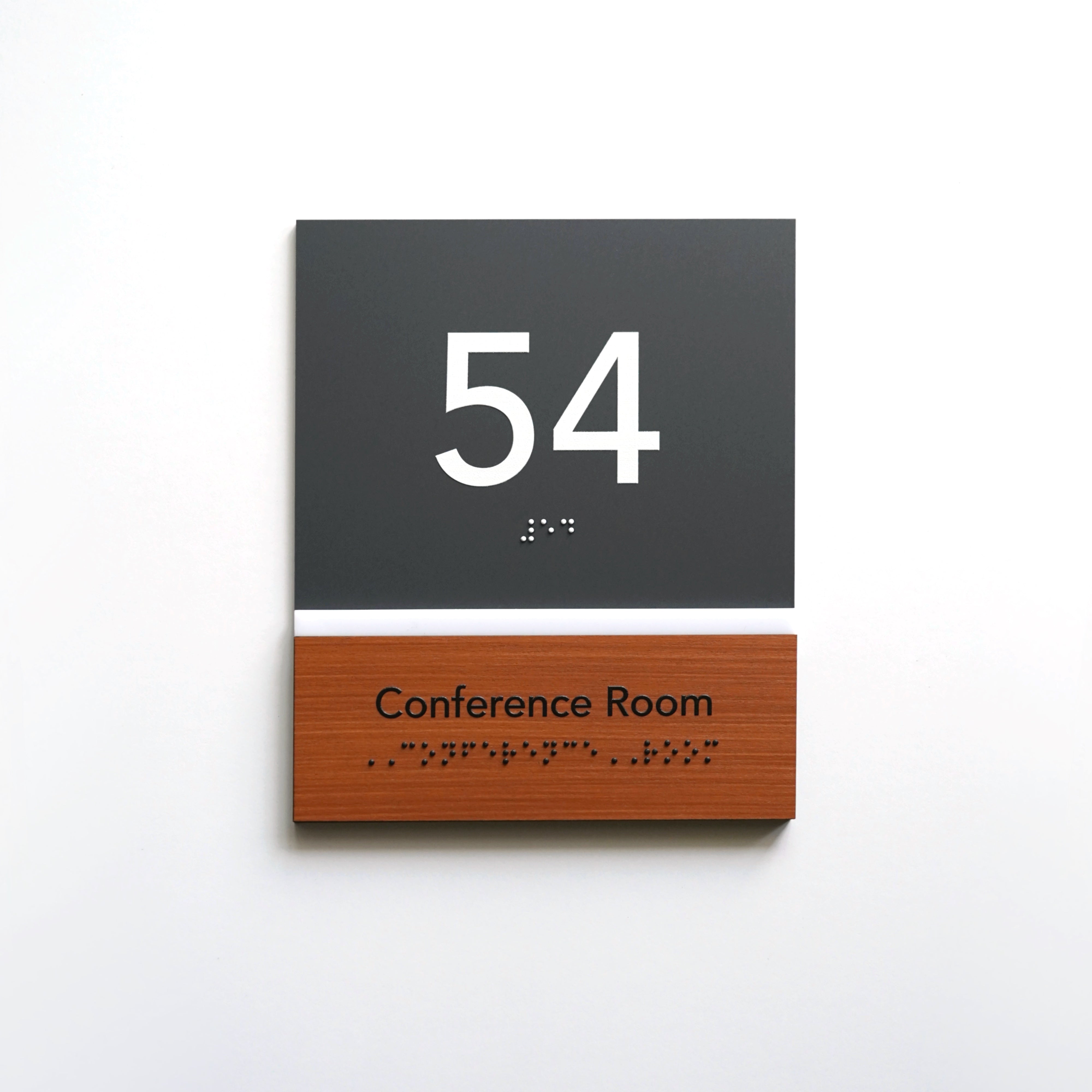
The material decides how a sign ages and how it sits against a wall. The table below shows how the common options for directional signage compare, with notes on where each tends to earn its place. The same logic applies to floor signs and level identification signage, where underfoot wear changes the calculation again.
|
Material |
Durability |
Appearance |
Best for |
|
Steel |
High, resists knocks and years of traffic |
Cool, precise, industrial |
High-traffic lobbies, building exteriors, architectural signage |
|
Acrylic |
Moderate, can scratch under heavy use |
Clean and modern, holds color well |
Backlit panels and everyday interior signage |
|
Wood |
Moderate, needs care in damp spots |
Warm and natural, softens any room |
Boutique hotels, restaurants, niche spaces, settings with character |
|
Mixed |
High, depends on the pairing |
Layered, balances warmth and edge |
Custom projects where one look won’t carry the space |
Why Businesses Choose Custom Directional Signage
A sign that matches the rest of your space does quiet work for the brand. Custom directional signs carry your colours and type, so the route to a meeting room reads as part of the building rather than something added on. That branded signage consistency shapes the visitor experience from the moment someone walks in, and it holds up as a clear line of visual communication across every floor.
The value of shows over time. A single signage system scales as you add rooms or open a second site, which keeps a growing operation coherent instead of patched together. Our notes on wayfinding design for commercial spaces cover how commercial wayfinding adapts to different layouts, where custom signage and business directional signage planned once goes on, earning its keep long after installation.
Installation and Customization Options
Getting a sign onto the wall is rarely the hard part. The harder choices come earlier, in how the sign mounts and what it carries. Directional wayfinding signage has to suit the surface it lands on and the people reading it, which is why directional door signs and corridor panels often call for different fixings. Get the mounting right, and the rest, from finish to accessibility, follows from there. Let's take a closer look at mounting:
Mounting Methods
How a sign attaches depends on the wall and the look you’re after. The common options:
-
Adhesive backing suits a clean glass or painted surface where you’d rather not drill, and it pulls away later without leaving much trace.
-
Wall fixings hold larger panels steady in busy corridors, where a knock or a passing trolley shouldn’t shift anything.
-
Door mounts keep a sign sitting flush against the frame, with a slim profile that doesn’t catch as the door swings.
-
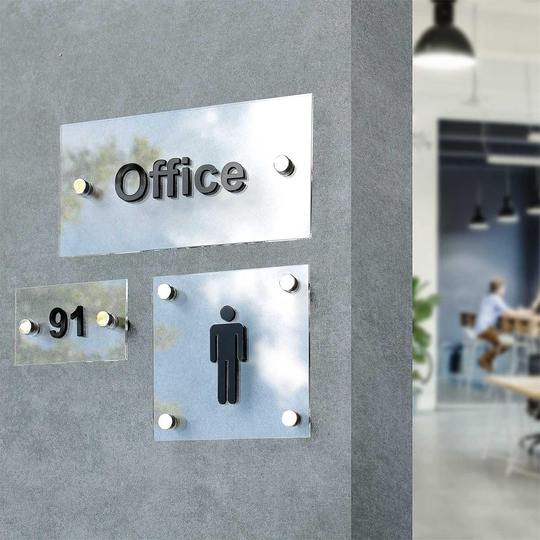
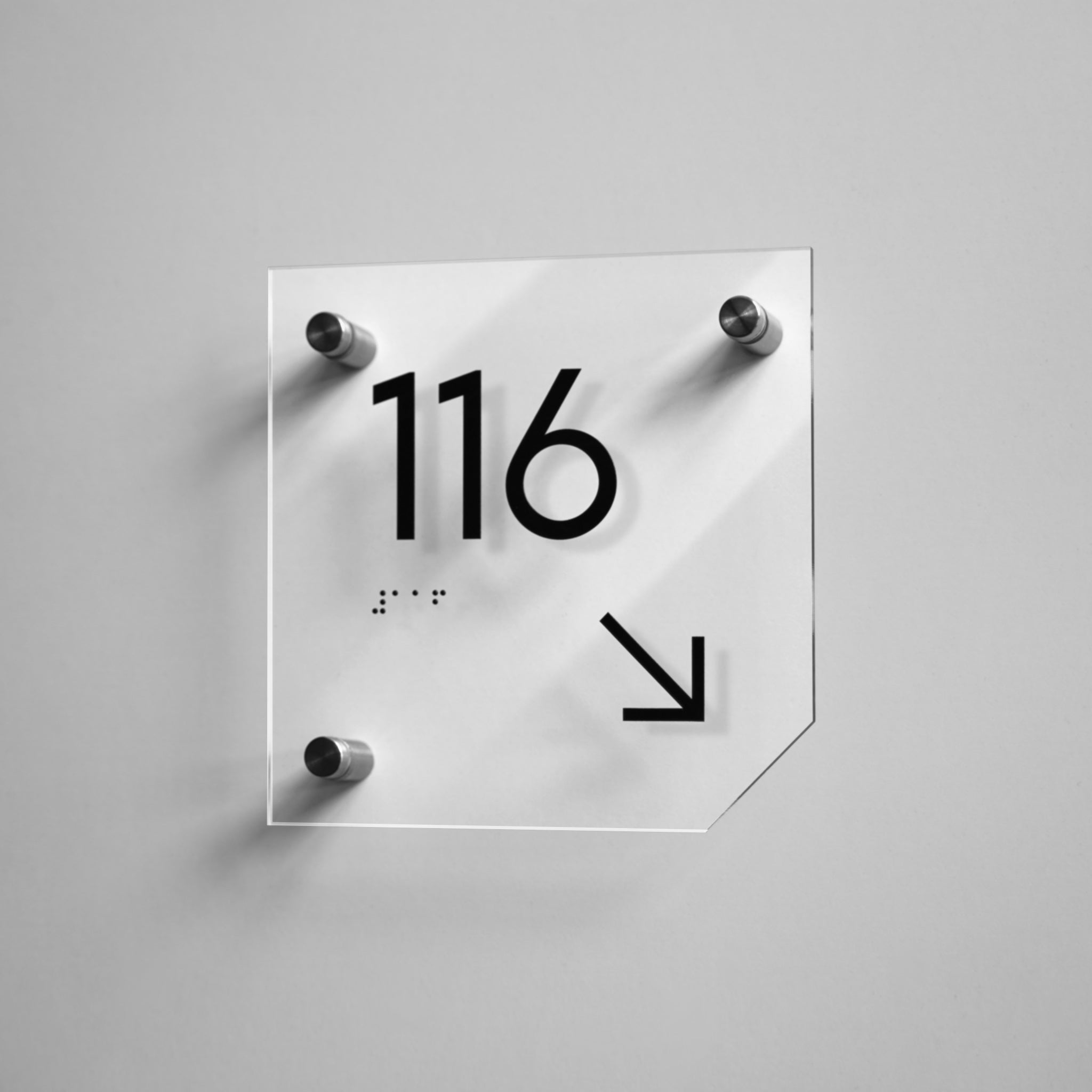
Standoff mounts lift a panel off the wall for a layered, architectural finish that catches light.
Mounted signs shape the navigation solutions a space can use, so the choice belongs in the interior wayfinding plan rather than as an afterthought once the design is signed off. Done right, the mounting is the first sign of professional signage a visitor never consciously notices.
Customization Options
A directional sign should fit the brand before it fits the wall. The options worth setting early:
-
Size scales to the corridor, from a slim door plate to a panel that reads across a lobby.
-
Colour follows your identity, so the sign sits with the brand rather than against it.
-
Typography stays legible at a glance while still carrying your tone.
-
Logo ties the panel back to everything else in the building.
-
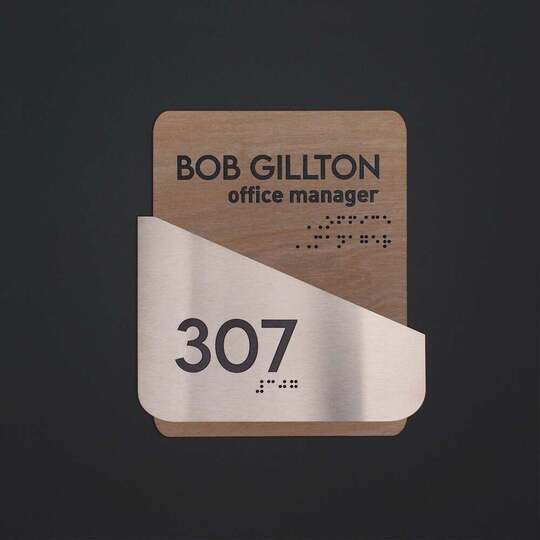
ADA and Braille keep the sign open to every visitor, not only those reading from across the room.
-
Multilingual layouts suit spaces that welcome an international crowd.
This is where custom signage earns its place, since a panel built around your brand reads differently from one pulled off a shelf. Accessibility belongs in the same breath: ADA signage sets the contrast and mounting height a sign needs, while Braille signage opens it to visitors who read by touch. Our ADA signs for accessible wayfinding show how compliance and brand sit comfortably in one panel rather than fighting each other.
How to Choose Directional Signs?
The right sign depends on where it goes and who reads it. The table below maps common settings to the choices that tend to fit, as a starting point for planning your wayfinding system.
|
Consideration |
Question to ask |
What it points to |
|
Location |
Indoor corridor or exposed entrance? |
Material and mounting strength |
|
Traffic |
Light footfall or constant flow? |
Durability and size |
|
Audience |
Staff who learn the space, or first-time visitors? |
Detail and accessibility features |
|
Brand |
Should the sign blend in or carry identity? |
Color, type, and custom finish |
Run these questions one by one, and you’ll have a coherent wayfinding system.
Bulk Directional Signage for Offices, Hotels, and Multi-Location Projects
Ordering in bulk changes the question from "what does this sign look like" to "how does the whole set hold together." A hotel opening dozens of rooms or an office fitting out several floors needs business directional signage that matches from the first panel to the last. Order piecemeal, and the colours drift; order as one batch, and the wayfinding signs share a single specification, which keeps a branded signage look consistent at scale. That's what we build at Bsign.
Where bulk ordering earns its place:
-
Office projects that sign a whole building at once, so every floor reads the same.
-
Hotel rollouts where each property needs to feel like the same brand.
-
Multi-location consistency for businesses running several addresses under one identity.
This is where directional signs for businesses do their quiet work, since a unified visual identity tells visitors they're in the right place before they read a word. Bsign’s signage system covers the parts people forget too, including floor directional signage for the underfoot routes wall panels miss.
FAQ
What technologies do we use to create a directional sign?
A directional sign handles one job: pointing you toward a destination. Wayfinding signage is the wider system they belong to, covering the maps and room markers that support visitor navigation. The arrow toward the lifts is a directional sign. The whole set that orients you is the wayfinding system.
Can directional signs include Braille and ADA-compliant elements?
Yes. Accessible signage builds Braille and tactile lettering into the panel, so the sign reads by touch as well as sight. ADA rules also set contrast and mounting height, which keep it legible for low-vision visitors. Accessibility shapes a better sign for everyone.
What wayfinding signage works best in hotels?
Start where guests feel lost, usually the stretch from lift to room. Clear floor markers and consistent numbering settle that fast. Signs toward the spa and breakfast room save trips to the front desk. Custom wayfinding solutions carry the hotel's look through every panel.


