





by Oleh Tomilenko
Inclusive Signage for Gyms: Birch & Iron Fitness Case Study on Accessibility and Community Design
Inclusive signage for gyms is a clear visual communication system that helps visitors navigate a space easily, feel safe, and feel equally welcomed. These elements help create inclusive fitness spaces where gym plaque design serves both aesthetics and accessibility.
In modern projects, gym plaque becomes part of the brand, shapes the visitor experience, and creates clear fitness center wayfinding. That’s why high-quality fitness center signs are an investment in visitor comfort and trust.
These solutions address several challenges at once. They make it easier for new visitors to interact with the space, reduce staff workload, and create a cohesive interior style. People don’t waste time looking for the right area, don’t feel disoriented in a new environment, and adapt to the space more quickly. This directly improves the overall impression of the facility.
Beyond functionality, the visual aspect matters. Thoughtful signage for inclusive gyms complements the inclusive architecture of the space, highlights interior materials, and gives a sense of completeness. The result is a cohesive experience where every detail contributes to comfort rather than distracts from it.
Watch the Video: How Inclusive Signage Transforms a Gym Experience
Inclusive signage in gyms is an interior signage system that helps users find their way, understand the rules, and feel included from the moment they first enter the space.
In this English-language video, founder Evelyn Park-Doob tells the story of creating Birch & Iron Fitness in San Jose, California — a space where inclusivity is built into every detail. She explains how a deliberate approach to layout and gym design helps people feel welcome before they even start working out.
One especially valuable insight is the role of signage. Navigation elements shape a visitor’s first impression of the space and its values. Evelyn explains how even a single community-guidelines plate can influence someone’s decision — in some cases, people decide to join the gym immediately upon entering, without speaking to the staff. This shows how design and communication can work together to drive real business results.
Case Study: How Birch & Iron Fitness Built an Inclusive Gym in San Jose
Inclusive design of a fitness space is an approach where every element, including plate, supports accessibility and emotional comfort. At Birch & Iron Fitness, this isn’t a set of isolated measures but a cohesive system — from layout planning to the smallest details — creating a sense of safety before a workout even begins.
Why the Gym Was Founded to Create Inclusive Fitness Spaces
Evelyn Park-Doob opened the gym as an alternative to traditional clubs. Her goal was to move away from “perfect body” culture and create a place where everyone can train without pressure. After working in large chain gyms, she realized many people struggle to feel comfortable in those settings. The new format shifts the focus to internal well‑being rather than external results.
Building a Body-Positive Fitness Space
The emphasis is on accepting different bodies, abilities, and experiences. The space is designed for people with disabilities, LGBTQ+ community members, and anyone who previously felt unwelcome in fitness environments. Emotional accessibility matters as much as physical access: no judgment, supportive communication, and clear community expectations.
Designing a Gym Where Everyone Feels Welcome Through Inclusive Signage
Informational fitness center signs are integrated into the interior so they look natural while still effectively guiding users. This is an example of how accessible signage helps create a positive first impression. Importantly, plaques don’t feel like technical fixtures — they’re part of the design language. Those details tell visitors the space was planned with their needs in mind.
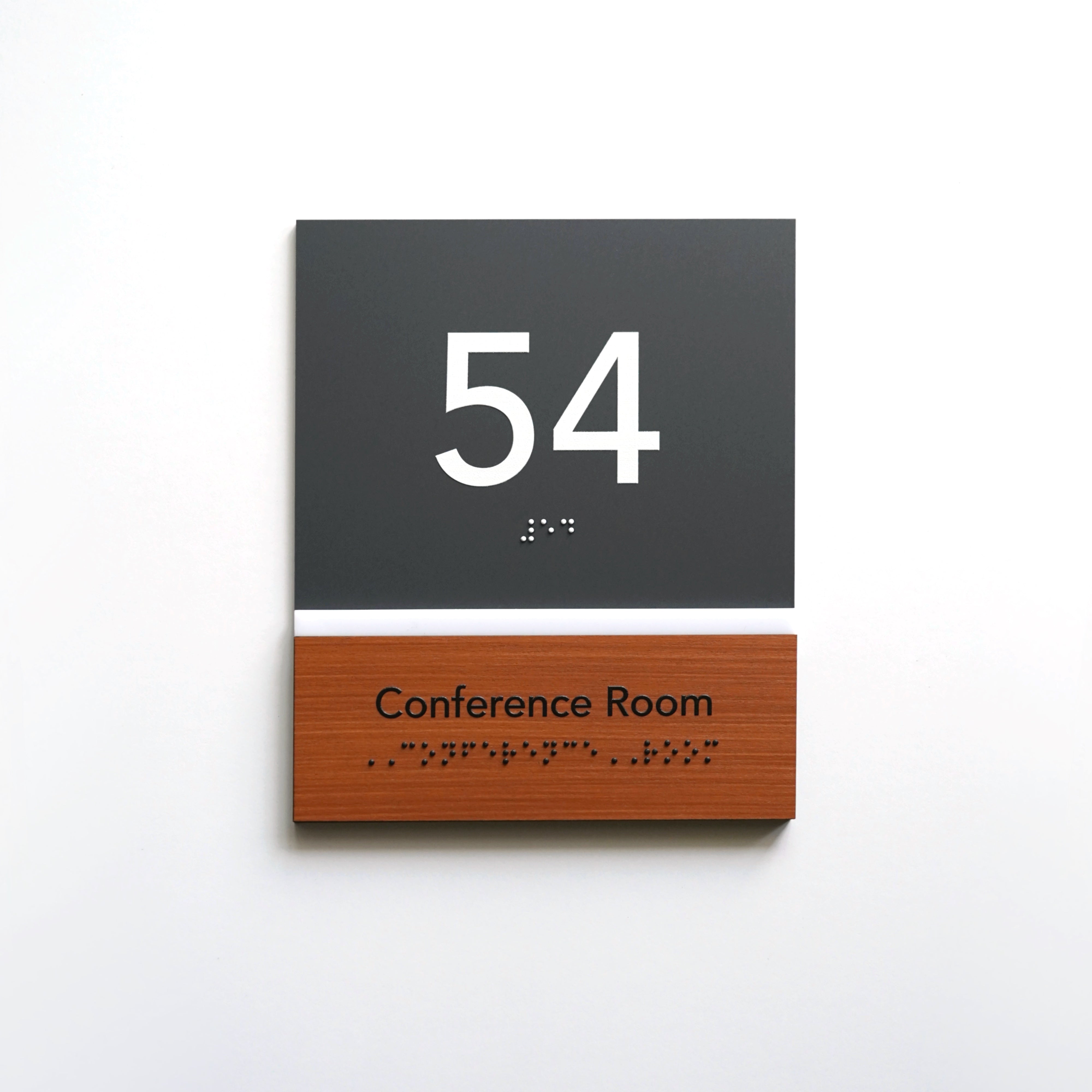
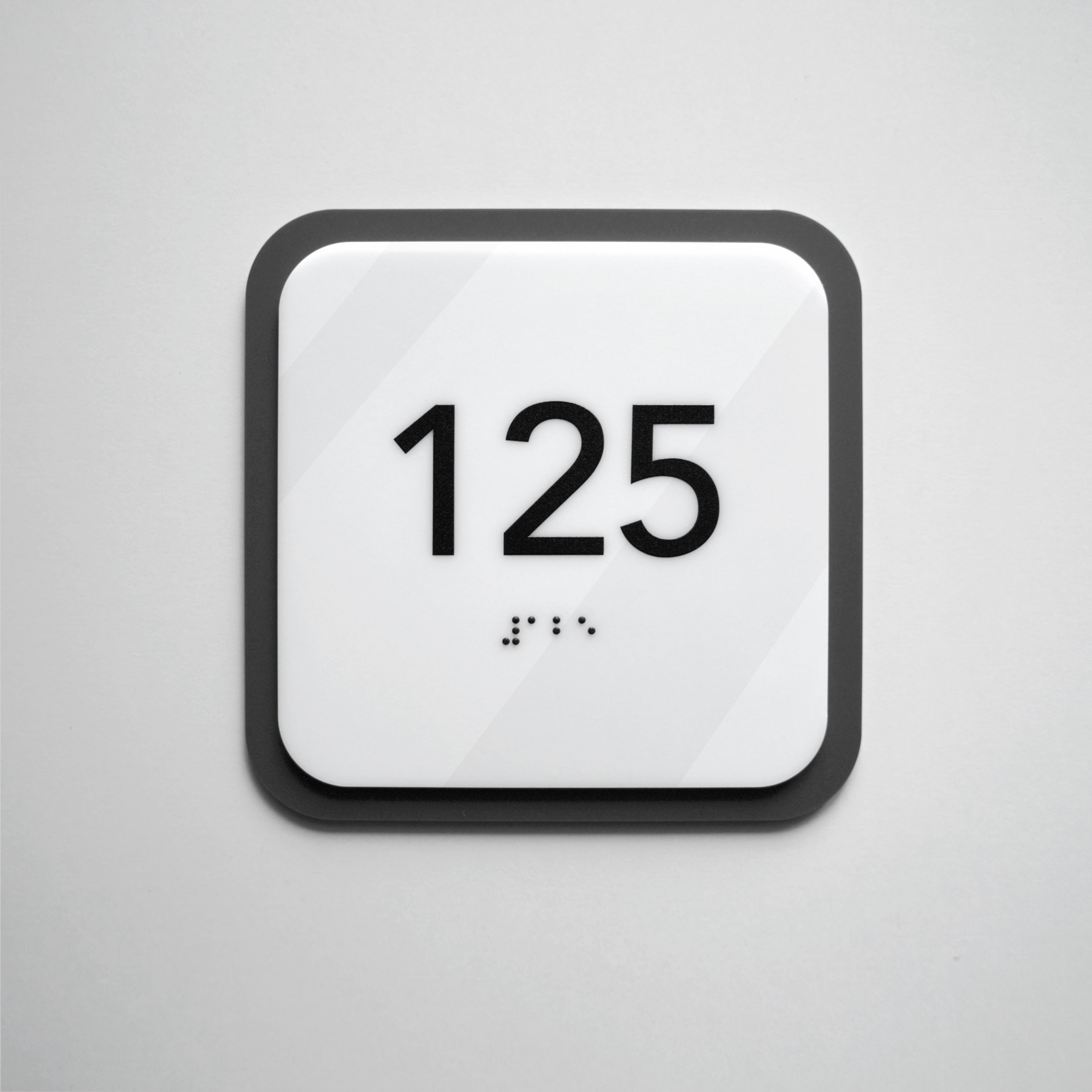
At Birch & Iron Fitness, acrylic plates from the Classic collection were installed to provide clear and accessible navigation for visitors with diverse needs:

Why Inclusive Signage Matters in Fitness Spaces
Inclusive signage improves accessibility by making navigation intuitive and reducing uncertainty for every user. In a fitness environment, this matters especially because new visitors often feel anxious before their first workout. Clear, well‑considered solutions lower that barrier and help people adapt to the space more quickly.
What Inclusive Signage Means
Inclusive signage addresses a range of needs — visual, tactile, and linguistic. It functions as part of inclusive design to support accessible environments.
These solutions include tactile signage and thoughtful Braille integration, ensuring the space is understandable for people with different ways of perceiving information. When done right, they blend seamlessly into the environment, offering navigation clarity without the need for extra explanation.
How signage affects member experience
Gym wall signs reduce stress, speed up orientation, and communicate that the facility cares about its members. That increases comfort and trust in the facility. Visitors don’t need to search for key areas or ask the staff for directions — they can move confidently from the very first minutes in the space.
How Accessibility Builds Trust
When people see a space that’s been thoughtfully planned, they feel safer. This becomes the foundation for long-term relationships with clients. Trust is built not through words but through experience — when every element functions logically and predictably.
Signs That Create Belonging
These are the basic elements that help visitors quickly understand how the place works and what to expect. They don’t overwhelm users with information but provide clear direction and reduce tension from the moment someone walks in. Examples include:
-
• Restroom signage — helps users find essential areas quickly and without discomfort.
-
• Community rules signage — sets the tone for interaction and behavioral expectations.
-
• Wayfinding signage — structures the layout and removes chaos from movement.
-
• Accessibility markers — signal that the space accounts for different needs.
Together, these elements form a coherent system where visitors don’t feel like outsiders and can quickly become part of the community.
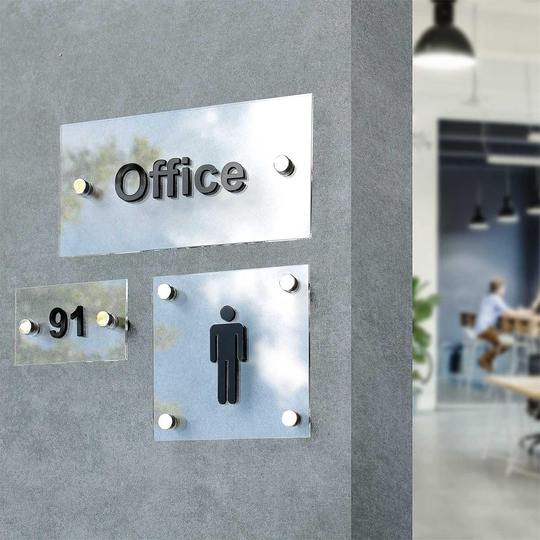
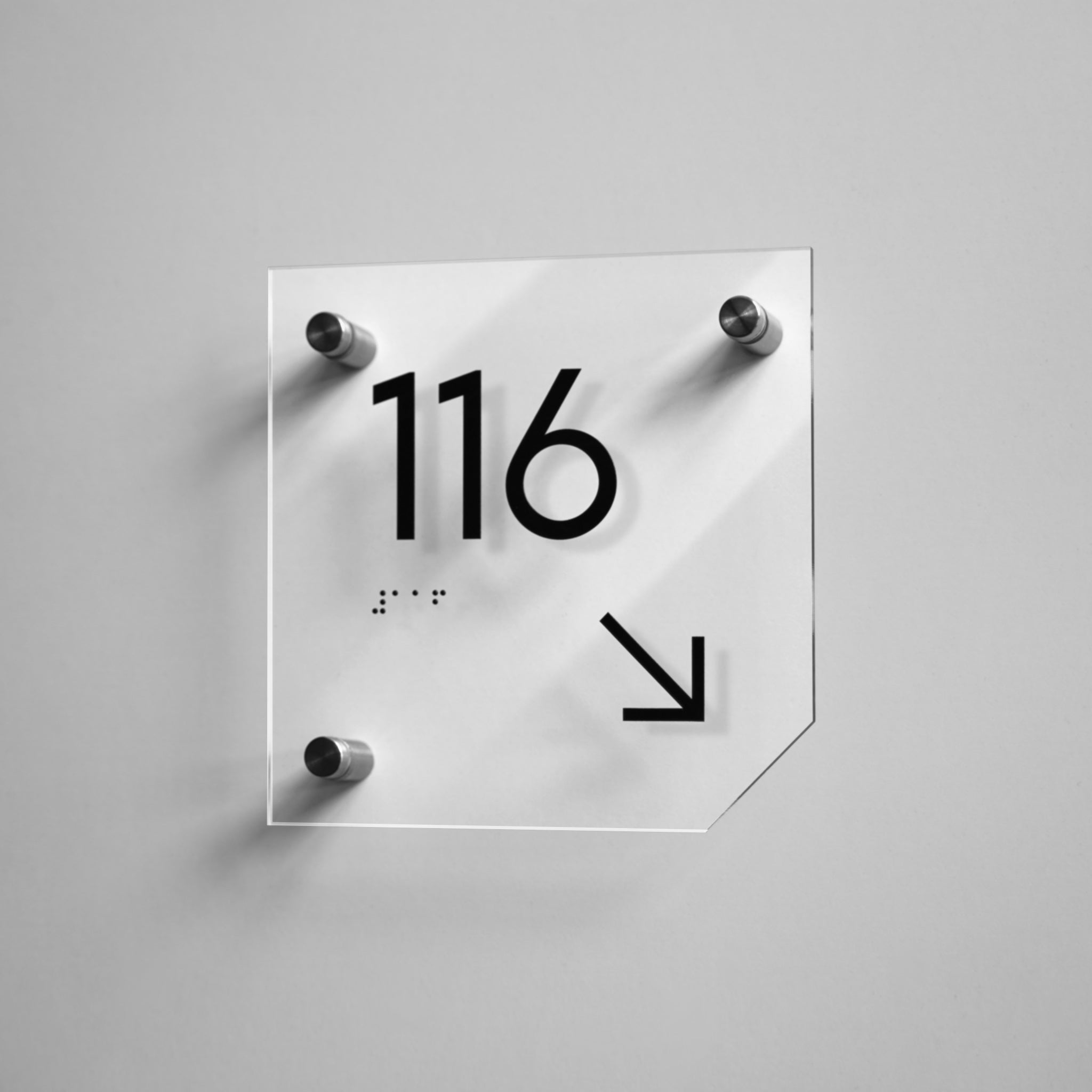
For back‑of‑house areas, Birch & Iron installed restrained modern acrylic product with standoffs from the Classic collection to preserve a clean interior aesthetic while keeping navigation clear:

ADA Signage for Gyms: What Makes a Space Accessible
ADA signage for gyms ensures equal access by combining legibility, tactile features, and correct placement. In fitness centers, this means visitors can independently find the right areas, understand information, and feel confident without additional assistance. These solutions go beyond formal ADA compliance — they shape the everyday experience.
ADA Signage Essentials
Disability-friendly signage for gyms should include high contrast, readable typefaces, and consistent placement. That makes information easy for all users to perceive. It’s also important to maintain a unified visual logic across the facility so people don’t waste time adapting to different formats.
Braille and tactile signage
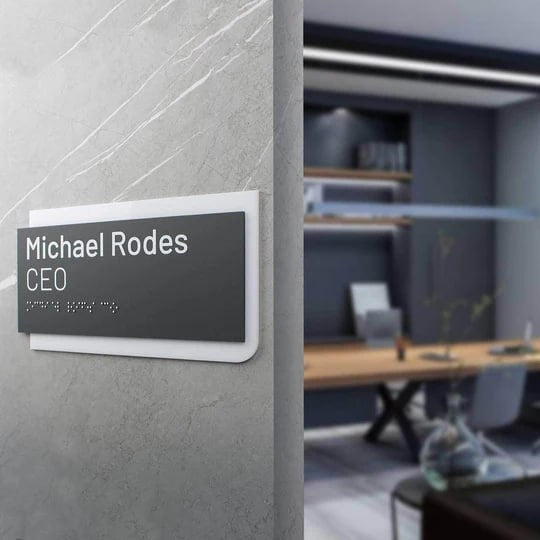
Braille signage for gyms is a standard for spaces aiming to be fully accessible. These signs enable people with visual impairments to navigate independently. Personalized gym signs work best when placed in consistent, predictable locations — by entrances, on doors, and at key zones.
Visual contrast and readability
High contrast between background and text ensures visual accessibility. Just as important is avoiding information overload — clear, concise wording and a logical hierarchy make content easy to scan, even in motion.
ADA Signage Elements
These elements form the foundation that makes plates understandable and accessible for diverse users. They work together to ensure quick recognition of information regardless of how it is perceived.
|
Element |
Purpose |
|
Braille |
Supports visually impaired users |
|
Raised letters |
Improves tactile reading |
|
High contrast |
Improves visibility |
|
Clear placement |
Ensures discoverability |
Together, these elements create a system that works intuitively for everyone and does not require additional explanation from staff.
Custom Gym Signage Solutions Created for Birch & Iron Fitness
Custom gym signage reflects the brand’s values and improves usability. In this case the plates communicate the gym’s inclusive approach immediately: they set the tone so visitors understand that both functionality and communication have been carefully considered.
Clear Acrylic Signs Mounted with Metal Standoffs
Acrylic signage with standoffs creates a floating, contemporary look.
It’s a clear example of how gym wall signs align with ADA compliance in Bsign projects. Importantly, they don’t overwhelm the space and remain legible in varying lighting conditions, making them a practical solution for everyday use.
All-Gender Restroom Signage
All-gender restroom signage avoids imposing identity and supports universal design principles. This approach removes unnecessary barriers and allows visitors to feel confident navigating the space without hesitations or explanations.
Transparent acrylic all‑gender plaques from the Classic collection support inclusivity and allow every visitor to navigate the space comfortably:

Community Guidelines Signage
Community guidelines signage became a core communication element. Rather than feeling like a formal requirement, it becomes part of the environment — clearly expressing the values of the space and how visitors are expected to interact.
How Community Guidelines Signage Shapes Behavior in Inclusive Gyms
Community guidelines signage directly influences behavior by clearly defining expectations and shared values. At Birch & Iron Fitness, this element acts as an entry point into the culture of the space — before training even begins, visitors understand what matters and how to behave.
Evelyn explains: “When people see the rules, they immediately understand the culture of the space. In some cases, this leads to an instant decision to sign up without speaking to a manager.” This happens because visitors receive a clear signal — the space aligns with their expectations.
Core rules displayed:
-
• Respect for all bodies
-
• Inclusive language
-
• Clear safety expectations
This shows that thoughtful communication through accessible signage can support part of your marketing effort and instantly build trust in the brand.
An acrylic community‑guidelines product at the entrance that immediately communicates inclusivity, respect, and a safe environment for all visitors:

Materials Used in Modern Gym Signage Design
The choice of material affects durability, aesthetics, and perceived quality of custom gym signs. In fitness environments, materials must withstand daily wear, remain readable, and support the overall interior style. A thoughtful mix of solutions balances practicality with visual clarity.
Acrylic signage advantages
Acrylic provides a clean look and crisp detail reproduction. It renders graphics and text accurately, preserves color fidelity, and integrates seamlessly into modern interiors. Acrylic is also low‑maintenance, which matters in high‑traffic fitness spaces.
Benefits of Stainless Steel Standoffs for Gym Signage
Metal standoffs add depth and a premium feel. By creating space between the decor element and the wall, they make gym wall plates more visually distinctive and easier to read from different angles. This approach enhances both durability and perceived quality, ensuring resistance to wear over time.
Durability in fitness environments
Combining robust materials ensures a consistent appearance even under heavy use. That’s crucial in high‑traffic zones where fitness center plaques frequently come into contact with people or equipment. Durable choices reduce replacement and maintenance needs, making custom gym signs a smarter investment.
Materials Overview
Before choosing, evaluate exactly where the product will be placed and what level of use it will receive. This helps you select a material that meets both functional and aesthetic requirements.
|
Material |
Benefits |
Use Case |
|
Acrylic |
Clean modern look, lightweight, easy to customize |
Modern gym interior signage, restroom signs, community guidelines signs |
|
Wood |
Warm aesthetic, natural feel, supports brand personality |
Feature signage, welcome signs, branded areas |
|
Stainless Steel |
Premium appearance, high durability, resistant to wear |
High-visibility signage, directional signs, long-term installations |
How Inclusive Signage Improves Gym Experience
Accessible signage for gyms improves user interaction by reducing confusion and increasing comfort. In a fitness setting this shows up in small but meaningful ways: visitors adapt faster, hesitate less, and feel confident from their first minutes. Clear solutions cut down on staff questions and let members focus on training.
Cause-and-effect relationship:
Clear signage → Faster orientation → Reduced anxiety → Higher member satisfaction
Inclusive signs let people move independently, understand rules, and find key areas without staff help. That’s especially important for newcomers who may feel uncertain in an unfamiliar environment.
An informational transparent acrylic plate in user-centered design from the Classic collection that helps visitors quickly locate Wi‑Fi access and improves overall fitness center wayfinding:

Lessons for Gym Owners Designing Inclusive Fitness Spaces
Creating an inclusive environment requires combining gym accessibility, navigation, and community culture. These elements should work together rather than in isolation — only then will the space feel cohesive and well thought out.
Start with Accessibility
Account for the needs of different visitor groups. This includes physical access, ease of movement, and clear interaction points. The earlier these aspects are embedded in the project, the fewer retrofits will be needed later.
Design for clarity
To organize a gym’s wayfinding system, use logical zoning, clear names, and a consistent product style. This creates predictable fitness center wayfinding. It’s also important to use a clear signage placement strategy so people can find navigation elements intuitively.
Reinforce community values
Communicate values through design and messaging. A space becomes more comfortable when rules and expectations are transparent and visitors understand how to interact with one another. This helps create a stable, friendly atmosphere.
Inclusive Signage Is More Than Wayfinding in Fitness Spaces
Inclusive signage is a strategic tool that combines design, accessibility, and brand identity. In modern fitness spaces, plaques act as carriers of values. They show how the facility treats its visitors and how thoughtfully it’s designed down to the details. These elements help shape first impressions, trust, and the desire to stay.
An inclusive approach helps create an environment where people feel confident, understand the guidelines, and interact with the space easily. This affects not only comfort but also business outcomes, since satisfied visitors are more likely to return and recommend the gym to others.
If you’re planning a space refresh or launching a new gym, start with a considered system of wayfinding elements. Sign up for a consultation to choose solutions that match your space, goals, and visitor expectations.
An informational product in a classic design from the Classic collection that helps maintain cleanliness and order in the space:

FAQ
What signage is required in inclusive gyms?
Signage for inclusive gyms should provide clear navigation, accessibility, and unambiguous communication of rules. This includes directional, informational, and accessibility‑focused solutions.
What is all-gender restroom signage?
All‑gender signs are markers that do not limit a person by gender identity and allow visitors to choose facilities freely and comfortably.
How does inclusive signage for gyms improve member experience?
They make navigation easier, reduce anxiety, and create a positive member experience.
What materials are best for gym signage?
Acrylic, wood, and stainless steel are among the best options — they combine aesthetics with durability.
Why are community guidelines signs important?
They set the tone for behavior, create a safe environment, and help attract new members.


