Oleh Tomilenko is a signage expert and Head of Marketing at Bsign, specializing in wayfinding systems, navigation design, and signage strategy for commercial and public spaces. His work focuses on real-world implementation of signage solutions that improve user experience and navigation.s.
A door sign is chosen in a fixed order: define its function and information first; assess usage conditions and location, including whether it identifies a permanent room or space subject to tactile requirements; then select the material and design; finally,...
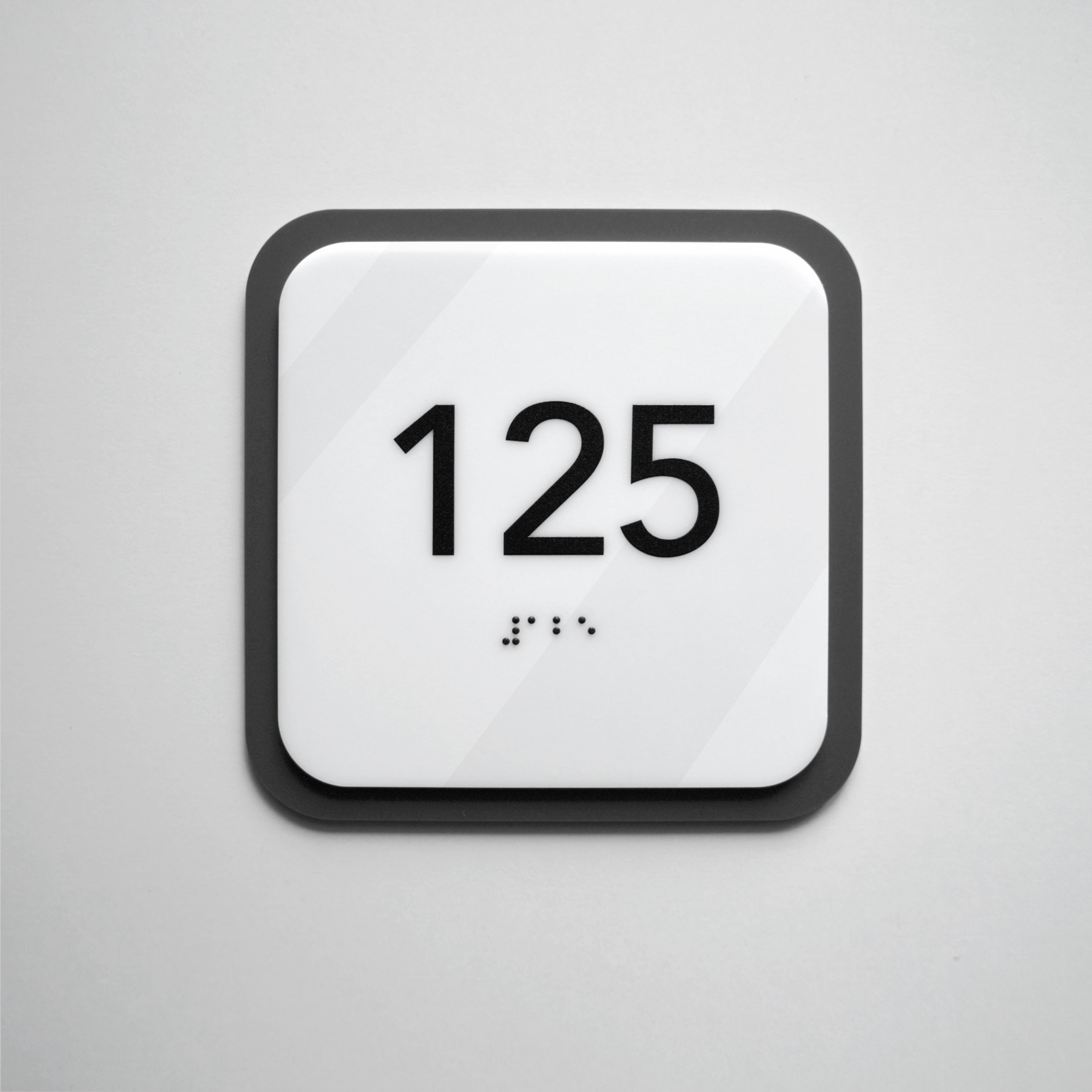
An ADA sign check starts by classifying the sign under §216, then verifying the elements that apply: raised characters, Grade 2 Braille, visual contrast and finish, pictograms, mounting height, and door-side placement. Under the 2010 ADA Standards for Accessible Design,...
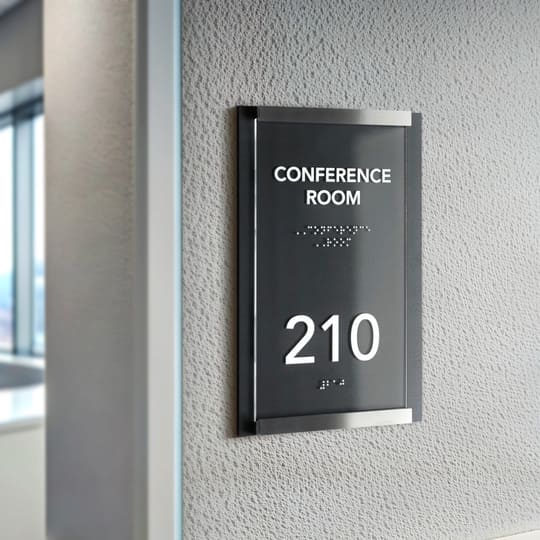
Under the 2010 ADA Standards, tactile signs must be mounted between 48 and 60 inches above the finished floor. At a single door, they are generally installed on the wall at the latch side, with an unobstructed 18 × 18-inch...
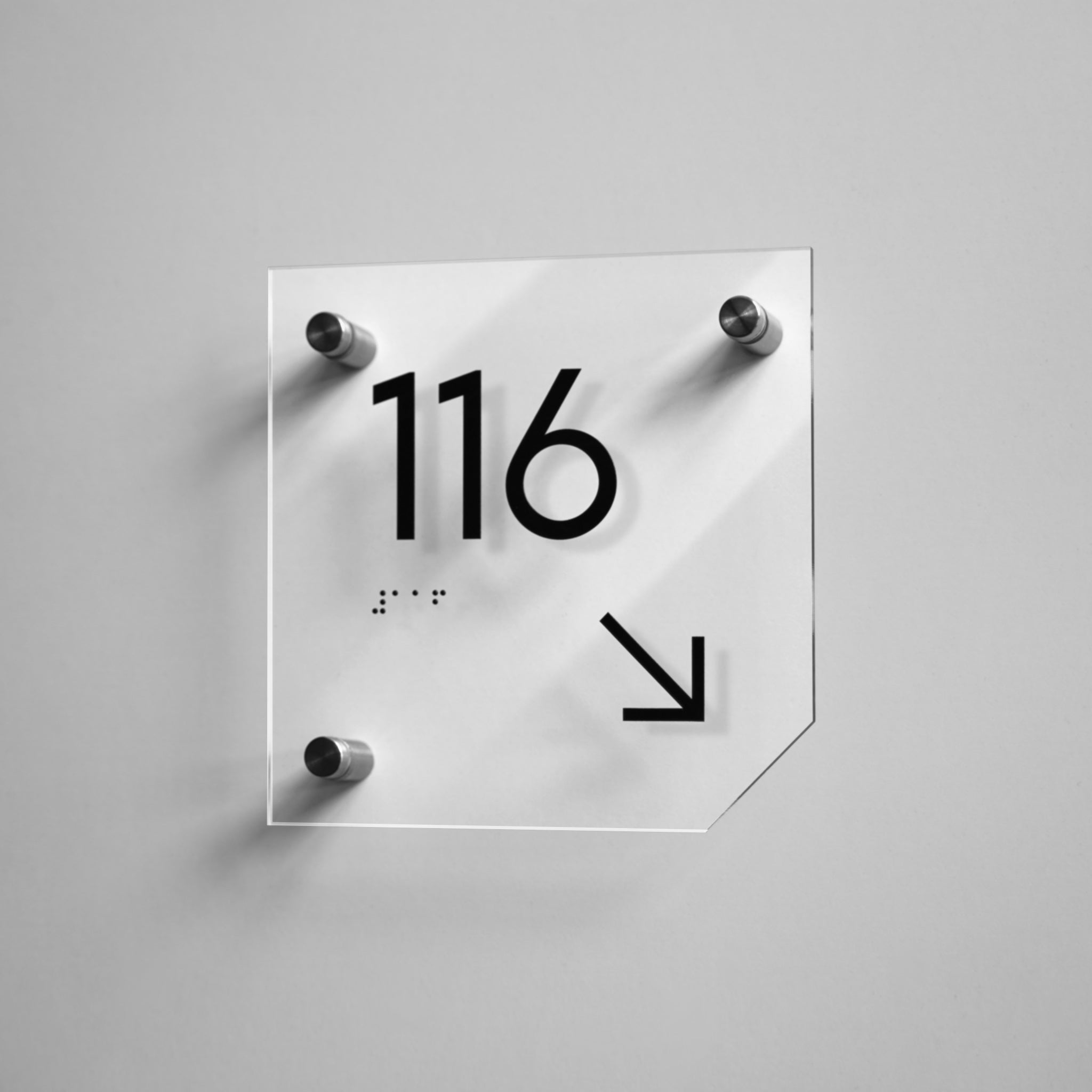
In a multifunctional space, navigation is built from dozens of elements that must work together. When door numbers, directional signs, and wayfinding signs follow the same principles, visitors find their way more easily and the space feels cohesive and professional....
Learn how to design a navigation system for a hotel or resort: wayfinding signs, directional signs, door number signs, ADA-compliant solutions, QR navigation, and branded wayfinding systems that ensure a comfortable guest experience.
Spa and wellness signs form a wayfinding system that helps people quickly find the right areas, reduces visitor disorientation, and creates a more comfortable and trustworthy experience. For example, a first‑time visitor to a diagnostic center won't waste time hunting...
Hotel signs are an integral part of a property’s environmental branding. Well‑designed signage creates a clear navigation logic for guest movement throughout the resort, supports wayfinding, and gives visitors an immediate sense of clarity and professionalism. A guest forms an...
Inclusive signage for gyms is a clear visual communication system that helps visitors navigate a space easily, feel safe, and feel equally welcomed. These elements help create inclusive fitness spaces where gym plaque design serves both aesthetics and accessibility. In...
Store navigation signage is a structured system of visual elements that guides customers through retail spaces, helping them locate products, understand routes, and make faster purchasing decisions. A modern retail space is an environment where every element nudges customer decisions....
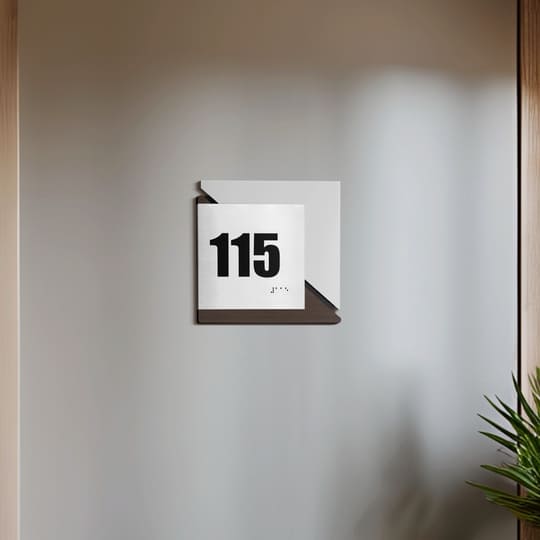
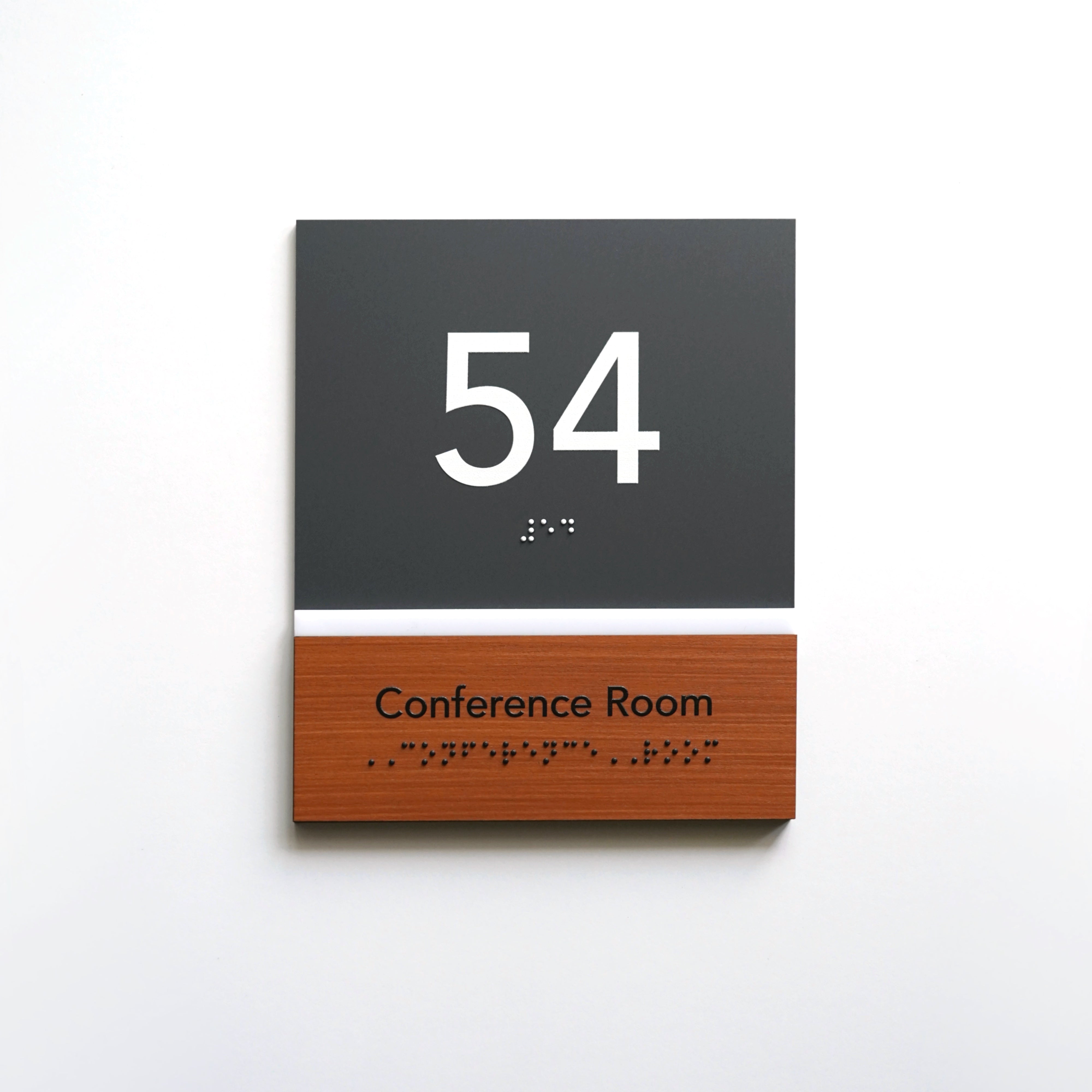
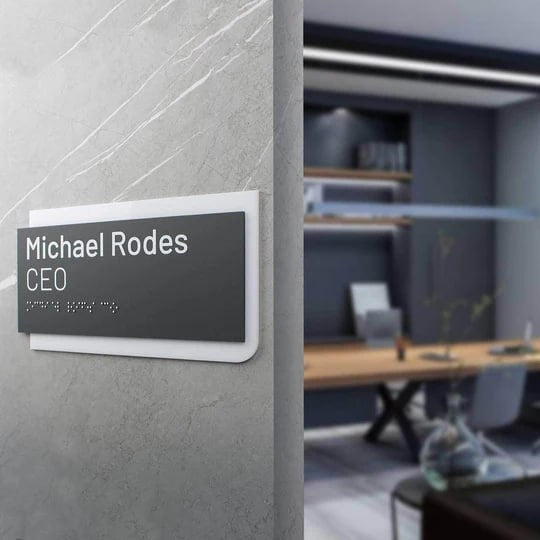
Interior door signs are part of a navigation system that helps people orient themselves and find the rooms they need. They are used in hotels, offices, and commercial spaces to convey information while supporting the overall interior design, so the...
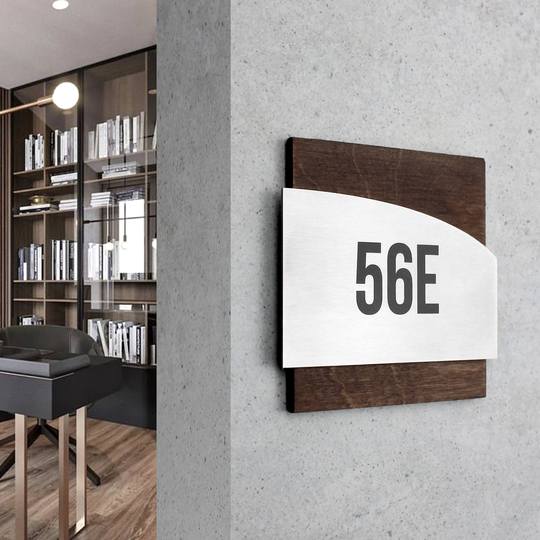
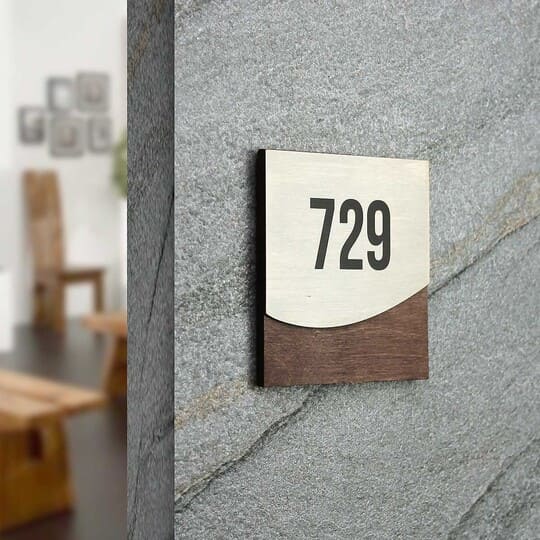
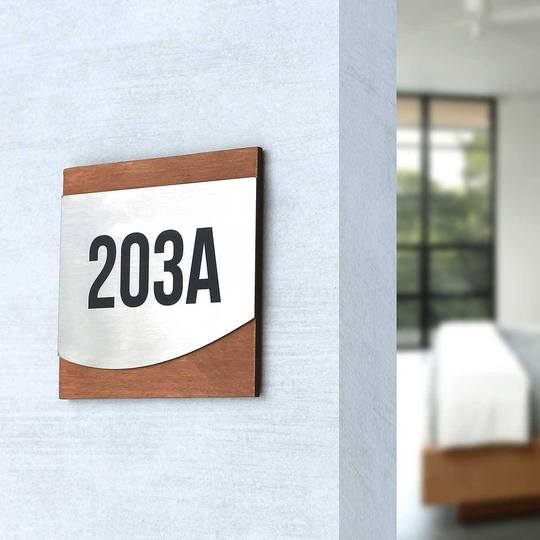
Hotel room numbering is the foundation of clear wayfinding. This guide explains numbering systems, signage design, placement rules, and materials to improve navigation and guest experience.
Modern door signs are an important part of interior wayfinding systems and spatial design. They help people quickly identify rooms, support logical movement through a building, and shape the first impression of an interior. In modern projects, architects and developers...
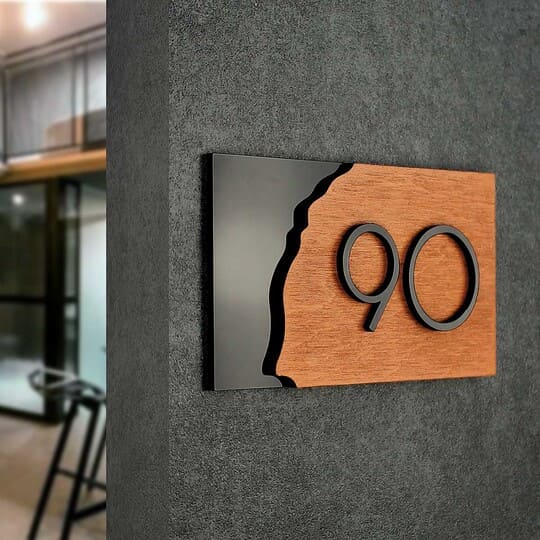
Choosing between door numbers and house numbers may seem straightforward at first glance. In reality, they are distinct identification tools that operate under different conditions, have varying reading distances, and require different material specifications. These terms are often treated as...