






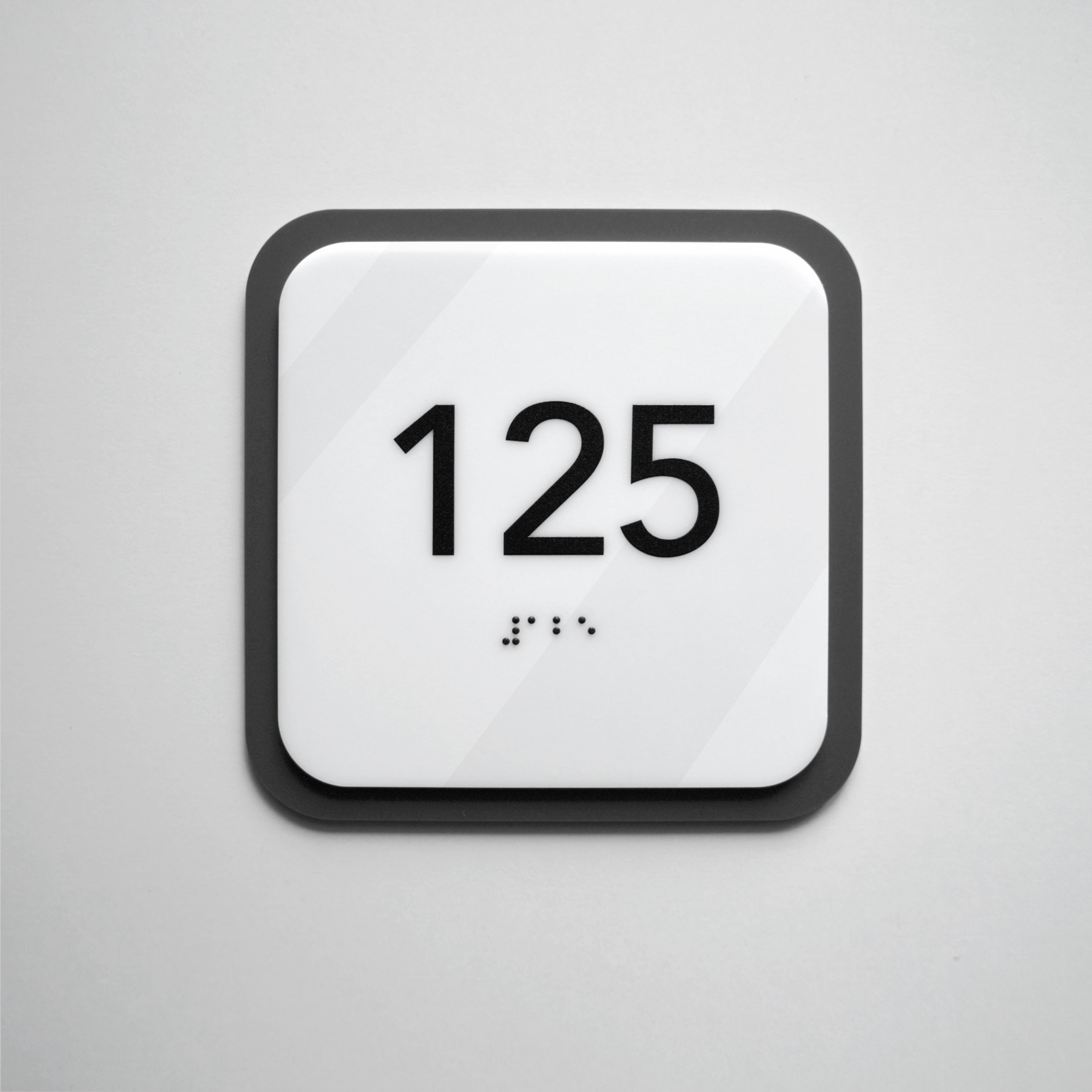
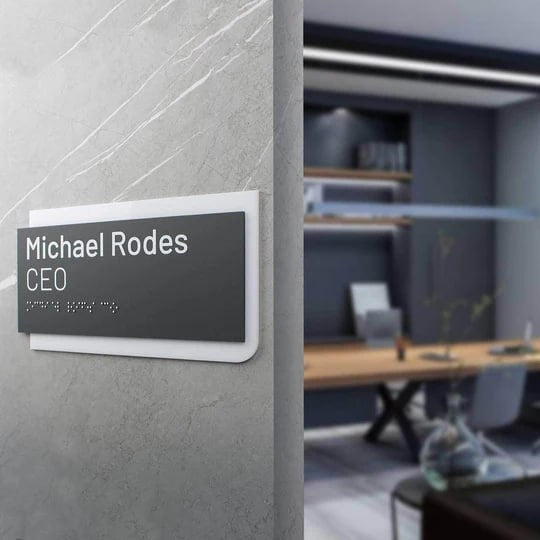





by Andrew Stychinskij
Signs for Fitness Clubs and Gyms: How to Organize Space for Convenience and Safety
Fitness room signs in a fitness club are not a decorative element but a tool for organizing visitor flow, improving navigation, and increasing safety across the space. In a sports environment, visitors frequently move between different areas, so a clear wayfinding system helps reduce chaos, prevent crowding, and make the user's route logical.
In a gym, a person must quickly understand where to go: where the locker room is, how to find the group fitness studio, and where to head after reception. If gym wayfinding fails, queues form, chaos ensues, and staff face unnecessary strain.
A client judges comfort even before the workout starts — for example, how quickly they find the locker room, where the showers are, and whether movement flows are clearly organized. That is why signs for fitness clubs have become part of the service rather than a secondary decorative element.
Thoughtful navigation in a fitness club enables intuitive movement without information overload. A visitor doesn't waste time searching for the right zone, and staff receive fewer repetitive questions. For businesses, this means a better user experience, efficient space usage, and movement management in high-traffic areas.
A sign system becomes especially important in large clubs, sports complexes, and multifunctional halls. Here, gym wayfinding acts as part of environmental control. It supports safe movement, simplifies user flow management, and creates a unified visual system for the space.
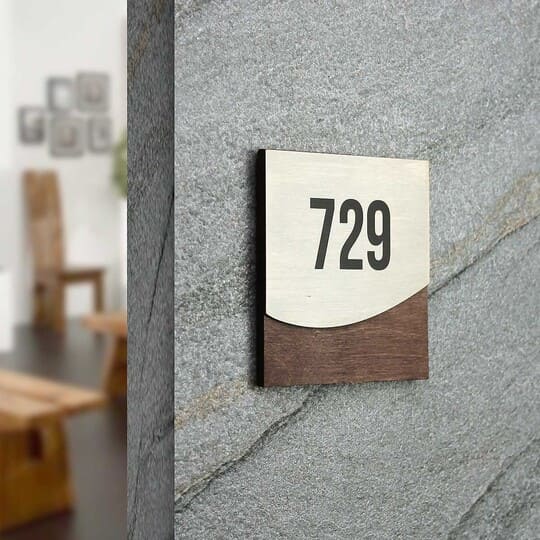
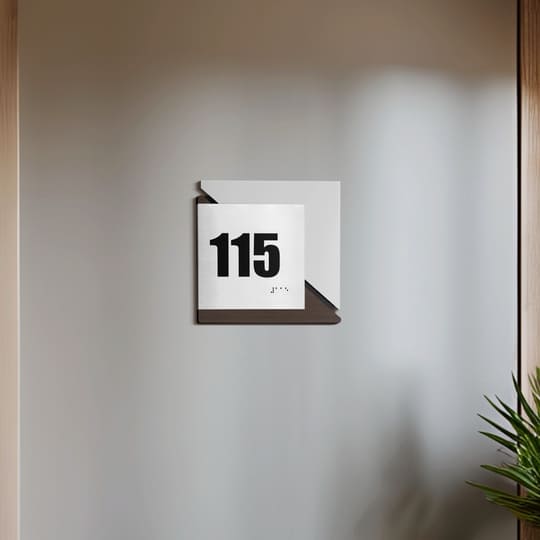
Concise, transparent navigation plates from the Clear collection for sports spaces, with an emphasis on readability and minimalist design:

In Short: What Is Needed for Effective Gym Navigation
-
Clear directional signs at key decision points.
-
Distinct zone labeling for training areas, locker rooms, and service rooms.
-
High-contrast typography for quick information recognition.
-
A single wayfinding system without mixing styles.
-
Safety plaques in risk zones and near equipment.
-
Logical foot traffic patterns that avoid crossing user flows.
-
Materials resistant to moisture and heavy use.
Gym Navigation and Fitness Club Signage: Why a Sign System Improves Comfort and Safety
Gym wayfinding is a system of visual elements that helps clients orient themselves quickly in the space, move safely between zones, and avoid creating chaotic people flows.
To organize fast orientation in a gym, it is necessary to identify the main movement routes, mark key transition points, and create a unified signage system for all zones. The most important elements are placed at the entrance, reception, locker rooms, and transitions between training areas.
Chaotic Signs vs Structured Gym Wayfinding
When a club uses random notices, mixed fonts, and temporary paper announcements, the space loses its navigation logic. Visitors waste time searching for the right zone, and decision points become overloaded.
A considered orientation system works differently. It builds a clear visitor journey: from reception to the cardio area, then to the locker room or group classes. This increases visitor comfort and simplifies interaction with the space. For example, a new client entering the club sees a main directional point to the locker rooms, cardio area, and training halls. Within seconds, the person understands the route and doesn't need to ask the front desk basic questions.
How Navigation Shapes Visitor Movement
Effective internal navigation helps distribute client flows without queues or crossings. For example, during peak hours, separate navigation plaques to the cardio area and group studios help split people flow right at the entrance. Some members head straight to the training equipment while others go to group classes, so reception doesn't become a bottleneck and queues are avoided.
To achieve this, fitness facilities typically use:
-
Directional signs between main zones.
-
Zone labeling for rooms and transitions between functional areas.
-
Visual accents at route-change points.
These solutions support barrier-free wayfinding and speed up new members' space adaptation. In large clubs, inclusive gym signage is also used to make the wayfinding system clearer for all visitors.
Logical sports facility signage makes the space understandable from the first minutes inside. The more logically gym zoning and circulation routes are organized, the more comfortably members use the space without extra staff explanations.
Why Signage Has Become Part of Customer Experience
Today, signs for fitness clubs affect the overall perception of the space just like lighting or interior styling. Clients expect an intuitive interaction with space without unnecessary staff guidance.
For this reason, modern fitness centers integrate navigation design into the environmental planning process from the earliest stages of development.
Main Gym Zones and the Signs Needed for Effective Navigation
Proper gym zoning helps create a logical foot traffic pattern and makes space orientation clear for different user scenarios.
To organize effective gym zoning, facilities typically divide the space by activity type: cardio, strength training, group classes, recovery zones, and service rooms. Each zone is supported by separate navigation plates, color accents, and directional wayfinding. This speeds up orientation and reduces chaotic movement between areas.
Signs for Cardio Areas
The cardio area is often the first stop after entry. Quick identification of equipment and usage rules is essential here.
The following are used for this:
-
navigation plates;
-
informational plaques;
-
equipment labeling;
-
visual wayfinding cues.
In large gyms, this helps distribute visitors across rows of machines so people don't cross paths in aisles and new members find equipment faster without a trainer's help.
Signs for Strength Training Zones
In strength-training areas, it's important to control movement and ensure safe circulation between equipment. Functional gym zoning works here, with dedicated plaques for different load types.
For gym zoning, contrast markings are often used; they're easy to spot even in high-use environments.
Navigation Signs for Group Fitness Studios
Group classes generate the largest guest flows, so effective people-flow management and separate directional elements are essential.
What works best:
-
Plates at entrances.
-
Class time indicators.
-
Evacuation route markings.
Reception as a Navigation Hub
Reception serves as the primary decision point within a fitness club. It is often where visitors form their first impression of the environment.
An effective sports complex navigation system starts at reception: a club map, zone labels, interior signage, and foot traffic patterns should function as a single signage system.
For example, reception can display a facility map and color-coded floor zoning. This lets a new visitor find the showers, the functional training hall, or the yoga studio independently, without extra staff guidance.
Locker Room Signs and Shower Signage
Locker room signs must be readable from a distance and perform well in a moist environment. Acrylic and stainless steel are most commonly used.
Separate labeling for each functional area helps improve usability and simplifies orientation for new visitors. This is especially important in large clubs with multiple visitor movement scenarios.
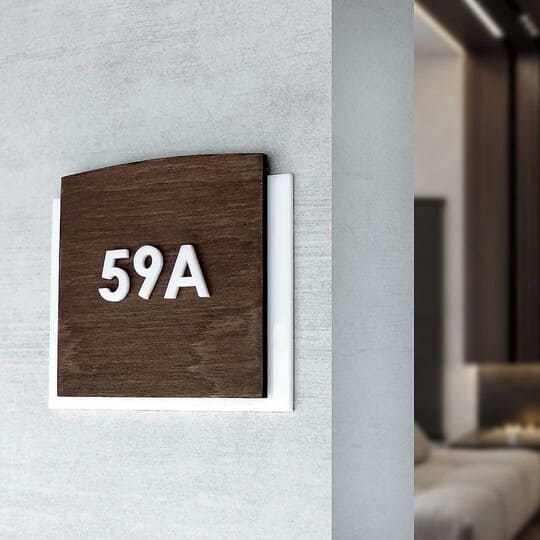
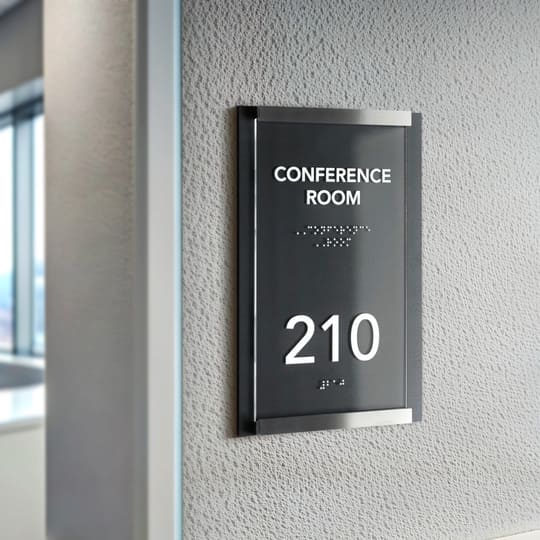
Classic locker room and shower plates from the Classic collection that work well in high-humidity areas:

What Signs Are Needed for a Fitness Club: Top Signage Types for Modern Gyms
For effective organization of the gym space, directional signs, zone labeling, informational plaques, and safety signs are needed. Together they form an orientation system that helps clients quickly find the right rooms and move safely through the facility.
Navigation Signs for Direction and Flow
Navigation elements build movement logic and support intuitive wayfinding.
For sports spaces use:
-
movement routes;
-
floor indicators;
-
directions to zones;
-
an orientation system for new guests.
Informational Signs for User Guidance
Informational elements explain equipment rules, opening hours, or access restrictions.
They help:
-
Maintain order.
-
Reduce risks.
-
Create a unified visual system.
Zone Identification and Space Labeling
Zone labeling reinforces functional design and movement logic.
Common methods include:
-
color accents;
-
numbered plates;
-
visual sector markings;
-
usage-scenario labels.
In multifunctional clubs, zoning often relies on a color system: blue signs lead to the pool and spa, black to strength-training areas, and light tones to group studios. This helps visitors orient themselves quickly, even in a large space with multiple circulation routes.
Safety Signs for Risk Prevention
Safety elements are used in high-activity zones, near equipment, and by emergency exits.
They should have:
-
high contrast;
-
quick information readability;
-
clear pictograms;
-
legibility from a distance.
The most effective orientation occurs when all sign types are combined into a single system. This improves overall readability of the space and helps avoid chaotic information placement.
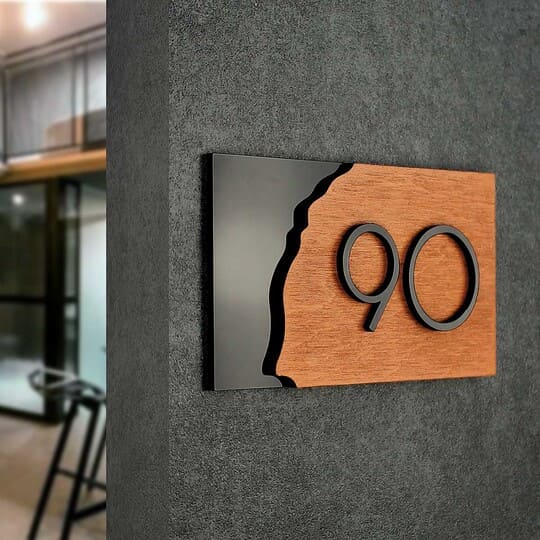
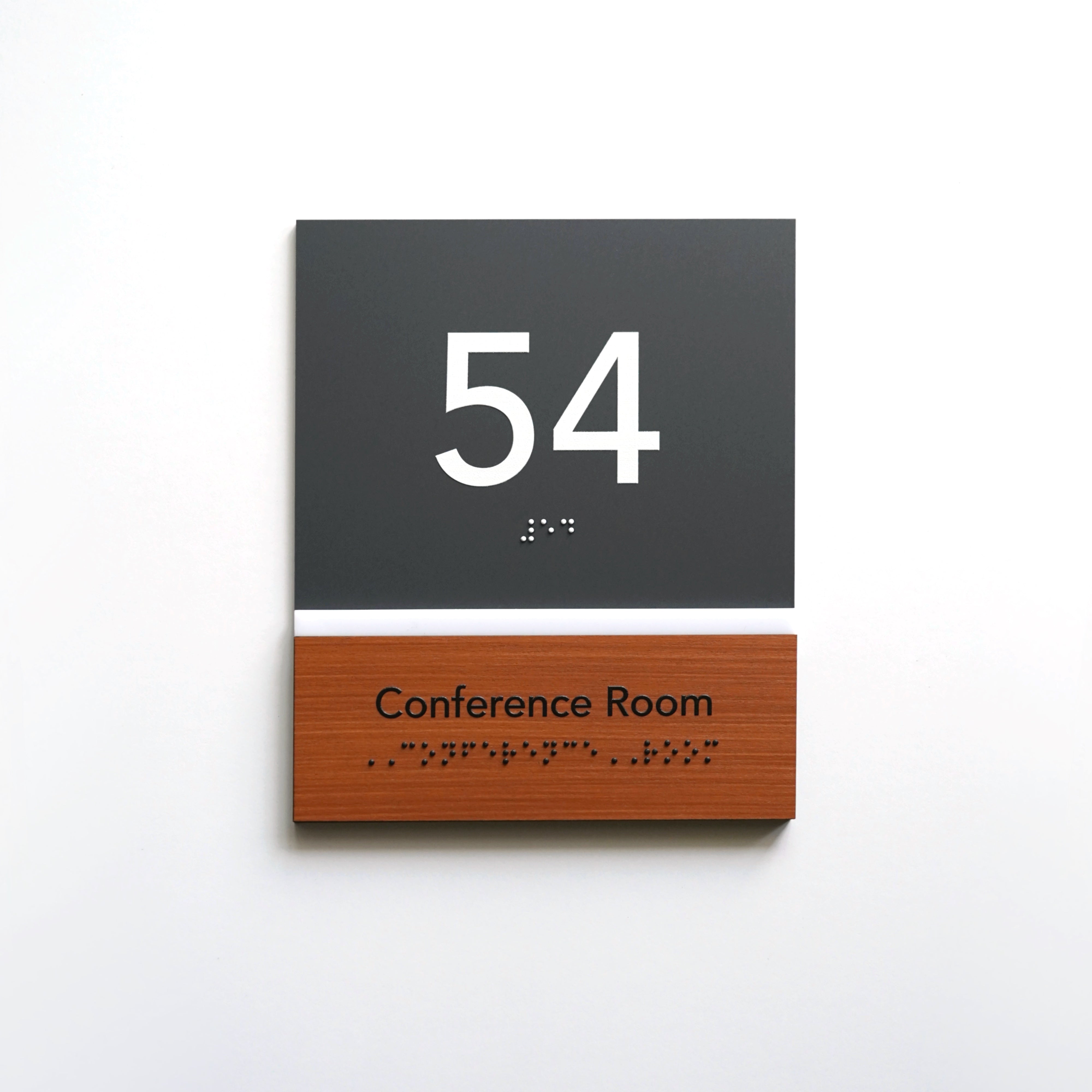
Navigation elements from the Authentic collection with bold design for high-activity zones and contemporary sports interiors:

Best Materials for Gym Signs: How to Choose Durable and Practical Solutions
Materials for sports interior signage must withstand humidity, heavy use, and frequent contact without losing legibility or appearance.
Acrylic Signs for High-Traffic Gym Spaces
Acrylic is optimal for modern clubs thanks to its moisture resistance and clean geometric forms. It supports functional design and blends seamlessly into the sports facility's interior.
Wood Signs for Warm and Balanced Interiors
Wood adds warmth and supports interior navigation in premium clubs. It's suitable for receptions, lounge areas, and studio spaces.
Stainless Steel Signs for Maximum Durability
Stainless steel endures high-use environments and performs well in showers, corridors, and near entrances.
It's the ideal material for high-load areas.
|
Material |
Durability |
Moisture Resistance |
Visual Effect |
|
Acrylic |
High |
Yes |
Minimalist style |
|
Wood |
Medium |
Limited |
Warm interior |
|
Stainless steel |
Maximum |
Yes |
Premium look |
Materials for orientation signage should be selected according to the usage conditions and load in each zone. This affects not only plaque longevity but also the overall perception of the sports space.
How Navigation Signs Help Organize Visitor Flow in a Gym
To avoid crowding in a gym, it's important to separate foot traffic patterns between main zones and place plaques at entry points. Dedicated navigation routes to locker rooms, cardio areas, and group studios help distribute foot traffic evenly, even during peak hours.
Effective internal navigation helps control visitor movement patterns and optimize the user route.
Creating Logical Movement Routes
Creating effective routes begins with analyzing:
-
Visitor flows.
-
The zones with the highest load.
-
Decision points.
Based on this assessment, facilities can develop movement routes with a minimal number of crossings.
Reducing Cross-Traffic Between Zones
Separating flows reduces the risk of crowding at reception, locker rooms, and entrances to group studios.
For this purpose, use:
-
separate navigation signs;
-
different movement routes;
-
visual accents;
-
space zoning.
Managing pedestrian dynamics makes movement more comfortable and safer.
Eliminating Blind Spots
Blind spots occur where people can't see direction cues or don't understand the space logic.
To improve space orientation, facilities commonly install:
-
additional directional signs;
-
duplicated pictograms;
-
high-contrast indicators.
These solutions are especially important in large sports clubs with long corridors or multiple floors. For example, an extra plate before the turn to the group studios prevents visitors from missing the route and turning back against the main flow.
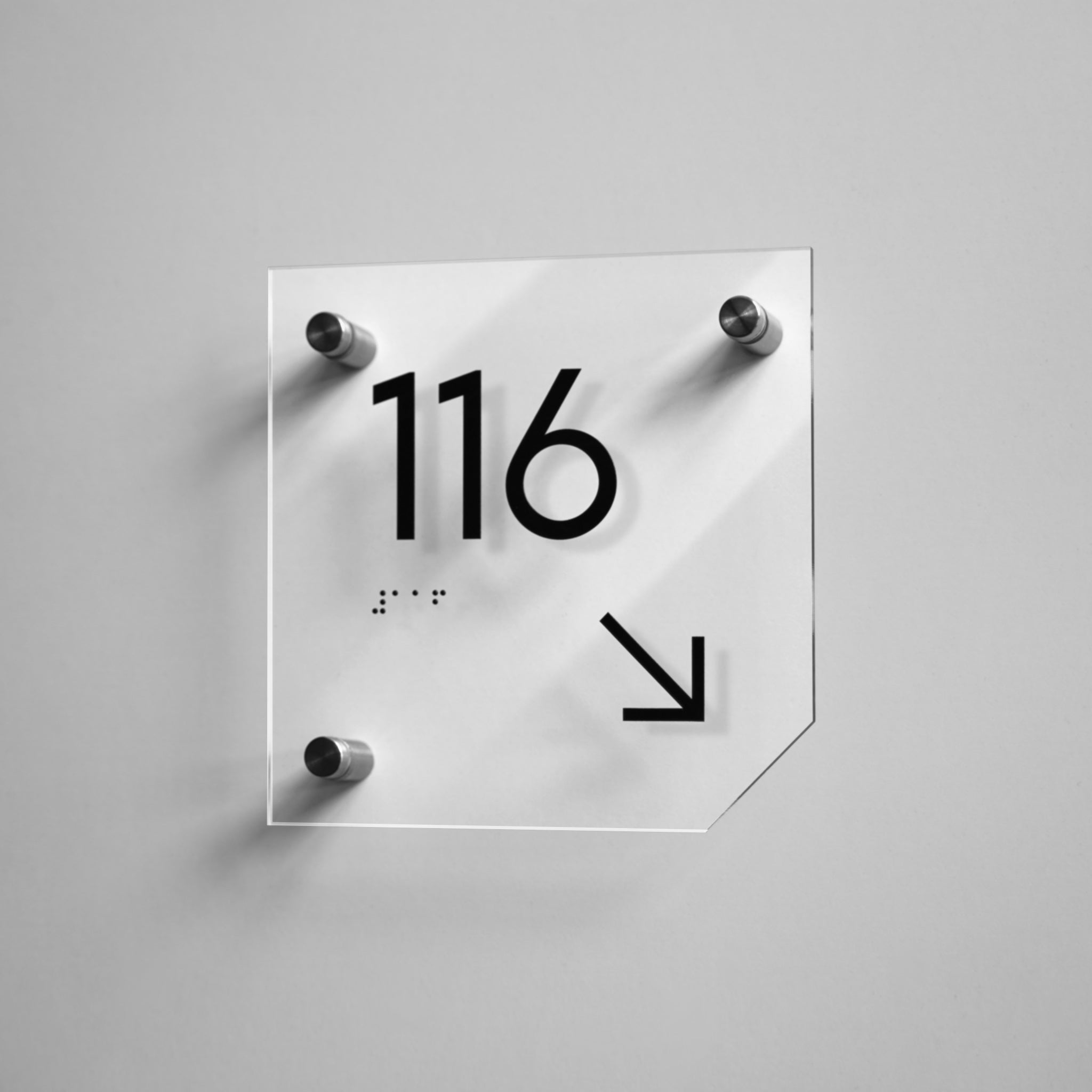
Navigation direction plates from the Downhill collection for organizing quick orientation in large sports spaces:

Gym Safety Signs and Zone Marking: How to Improve Safety and Orientation
Safety elements help convey critically important information quickly and support safe movement in the sports environment.
Identifying High-Risk Areas
Common risk zones in fitness facilities include:
-
free weights;
-
showers;
-
technical rooms;
-
emergency exits.
These areas require clear visual navigation and understandable warnings.
Improving Visibility Through Contrast
For quick information recognition, prioritize:
-
Contrasting colors.
-
Large type.
-
Minimal text.
Combining Text and Pictograms
Pictograms speed up information perception. This is especially important for first-time visitors.
|
Risk Zone |
Primary Hazard |
Required Safety Sign/Labeling |
|
Showers |
Slippery floor |
Caution — slippery surface |
|
Strength area |
Free weights |
Rules of use |
|
Technical rooms |
Restricted access |
Prohibition sign |
|
Emergency exit |
Emergency situation |
Evacuation sign |
Clear safety plates help transmit critical information quickly and reduce the risk of dangerous situations in the sports space. It is especially important to use high-contrast markings in high-activity zones.
Common Gym Navigation Mistakes That Reduce Comfort and Safety
Typical mistakes in gym wayfinding most often stem from a lack of a unified system, poor legibility, and chaotic placement.
No Unified Signage System
When plaques are produced without a single approach, the space looks chaotic. Guests find it harder to navigate between zones, and wayfinding stops working as an integrated system. This is especially noticeable in large clubs with multiple circulation routes.
Mixing Multiple Sign Styles
Different fonts, colors, and materials break the visual hierarchy. As a result, clients perceive information worse and take longer to find the right areas. A single style supports legibility and movement logic.
Poor Contrast and Low Readability
Small text, low contrast, or information overload make quick reading difficult. In a sports environment, people are often moving, so gym signs must remain clear even from a distance or during active movement.
Temporary Signage Solutions
Paper sheets, random stickers, and temporary products create an impression of an unorganized space. Such solutions wear out quickly, worsen the user experience, and undermine a unified visual system in the club.
Most navigation problems arise from a lack of system and information overload. A single design approach makes orientation clear for all visitors.
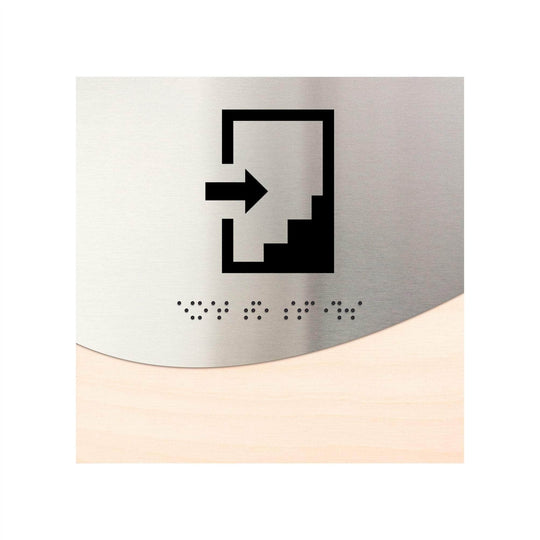
Metal navigation elements from the Jure collection for intensive use in gyms, corridors, and functional zones:
How to Choose Signs for a Fitness Club: A Practical Planning Checklist
When selecting signs for a gym, consider circulation routes, usage conditions, legibility, and harmony with the interior.
Match Fitness Club Signs to Sports Interior Design and User Flow
Signs should support the overall decor and not look like random elements. Navigation design must integrate with the interior.
Prioritize Readability
Test the visibility of products from different points in the gym before installation. Legibility determines orientation speed.
Select Materials for Intensive Use
Different zones require different materials:
-
acrylic — for wet areas;
-
wood — for lounge spaces;
-
stainless steel — for high-load zones.
Materials must match the usage scenarios.
Test Navigation in Real Scenarios
Before opening the facility, walk the user journey from the perspective of a new client. Testing reveals and allows you to fix weak points in wayfinding.
Before launching the orientation system, it's important to test foot traffic patterns and check plate legibility under real conditions. This lets you eliminate weak spots before the space opens to visitors.
Why a Well-Planned Wayfinding System Improves Visitor Experience
A well-thought-out navigation system is necessary for large sports complexes where multiple movement scenarios operate simultaneously. Commercial space navigation is now part of comprehensive space management.
Modern signs for fitness clubs perform several functions at once: they help with orientation, support safe movement, and create a cohesive interior appearance. For businesses, this is a service element that influences visitor behavior and helps manage pedestrian dynamics without overloading the space.
Planning to upgrade the navigation in your fitness club or design a new signage system? A well-structured wayfinding strategy helps create intuitive movement, improve comfort, and support a safer user experience across every zone. Whether you need support with material selection or the development of a complete plaque concept, the right planning process can transform how visitors interact with your space. Contact the specialists at Bsign to create a customized solution tailored to the specific layout, foot traffic, and operational requirements of your sports facility.
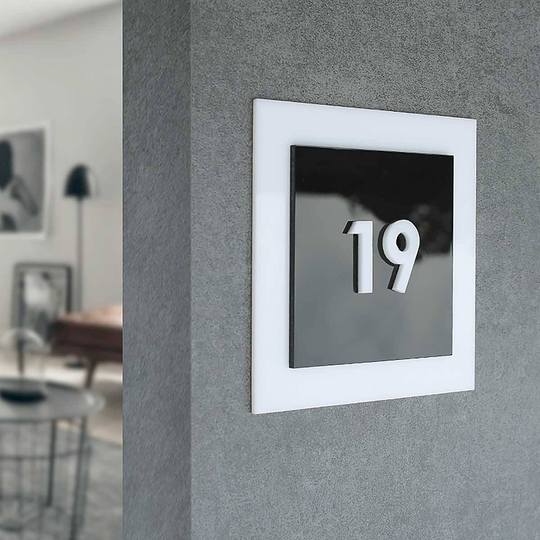
Minimalist informational element from the Simple collection for sports spaces focused on quick information reading and a clean visual hierarchy:

FAQ
How does navigation improve safety in a gym?
Thoughtful gym navigation helps control people flows, reduces chaotic movement, and supports safe circulation between zones. Visitors find routes faster and create fewer crowds.
What signs are essential for a fitness club?
A basic set includes directional signs, evacuation markings, and equipment usage rules.
Which materials work best for gym signs?
Acrylic, wood, and stainless steel are most commonly used. They withstand heavy use and support functional design.
How can gyms reduce crowding through visual navigation?
Crowding can be minimized by creating logical foot traffic patterns, distributing client flows, and using clear navigation plates at key points.
How can signs match the interior style of a fitness club?
Navigation should support the overall interior design through unified typography, materials, and a color system.
Are separate signs needed for cardio and strength zones?
Yes. Different activity types require distinct labeling and movement patterns. This improves spatial orientation and supports functional zoning.
How do you make navigation intuitive for first-time visitors?
The most effective approach combines short texts, high-contrast signs, and duplicated information with pictograms. This speeds orientation and reduces staff load.
What navigation solutions work best for large sports complexes?
Large spaces need a multi-level navigation system with separate foot traffic patterns, zoning, and visual wayfinding at all key points.


