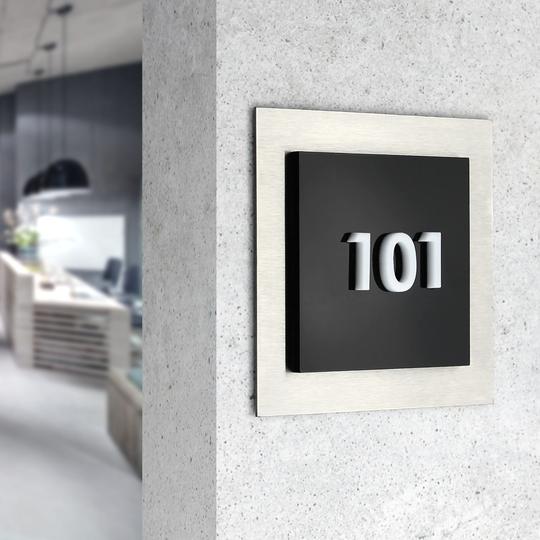
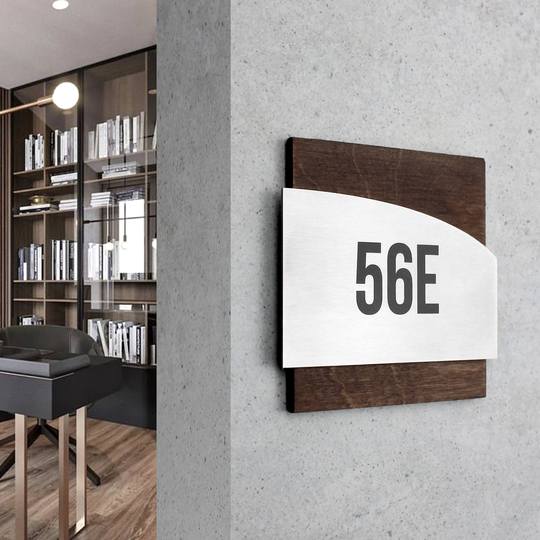
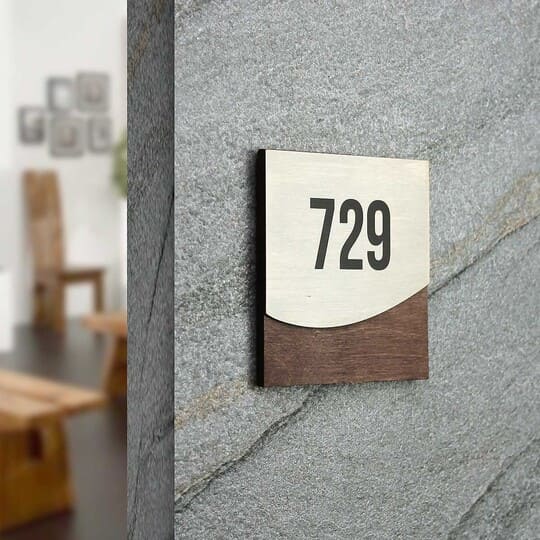
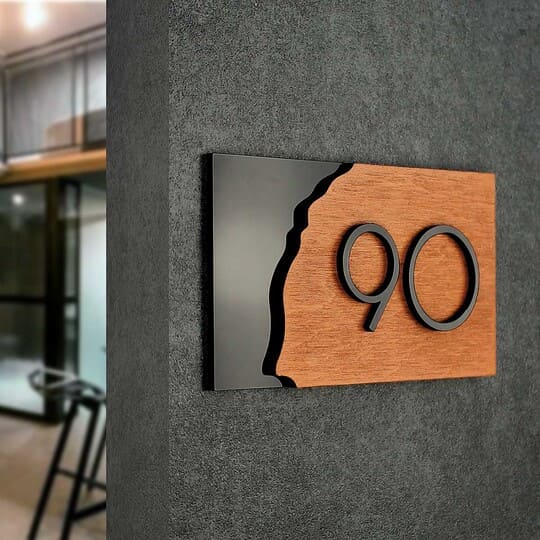
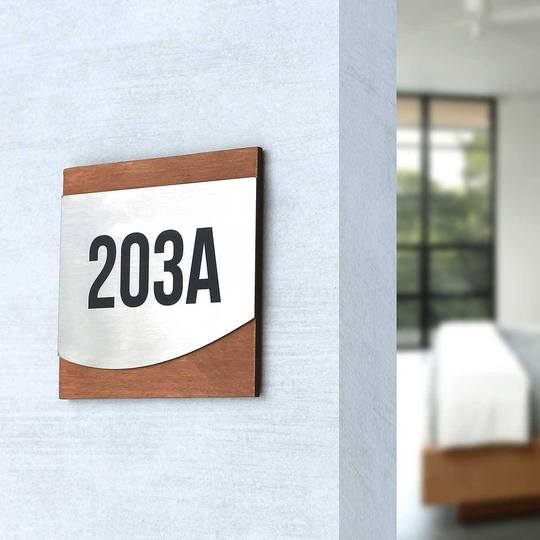

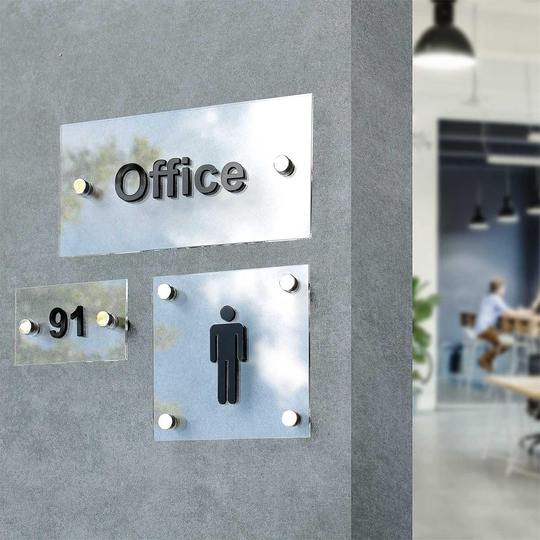
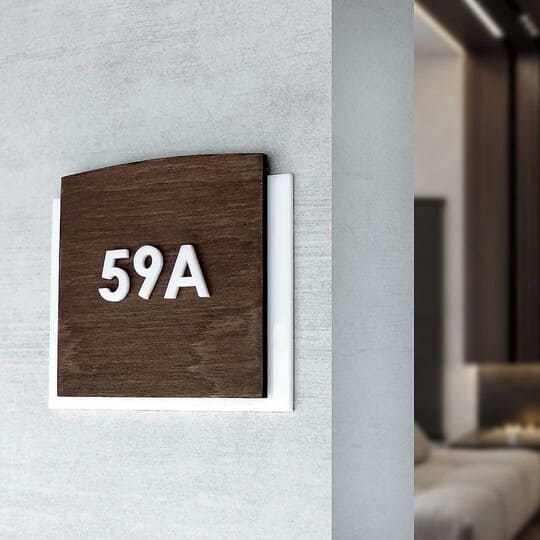
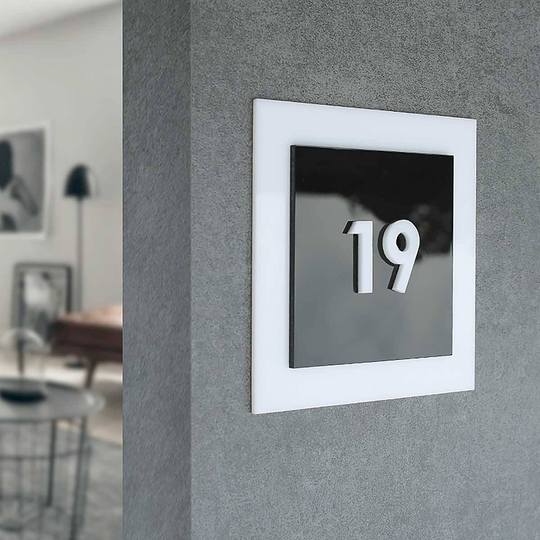



Office Signs


Office Door Signs: Custom Nameplates, ADA Plaques & Engraved Signs
Every business that receives clients or manages a team across multiple rooms at some point needs clear, professional door signage for offices. Custom door signs shape the first impression before anyone says a word.
Door signs for business define how a workplace is perceived before any conversation starts. The right signs make a space both more intuitive to read and more comfortable to move through.
What Are Office Door Signs?
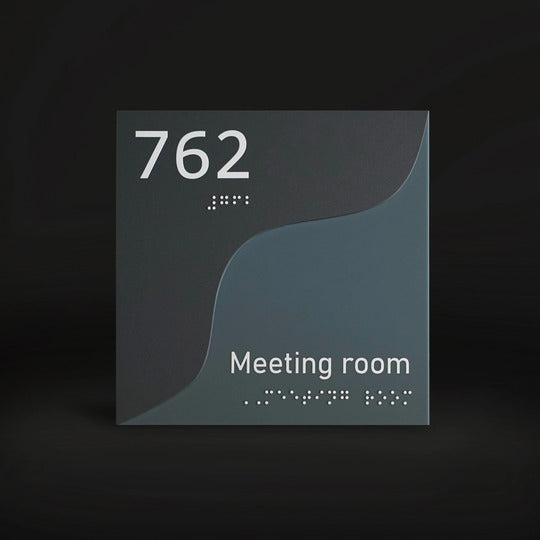
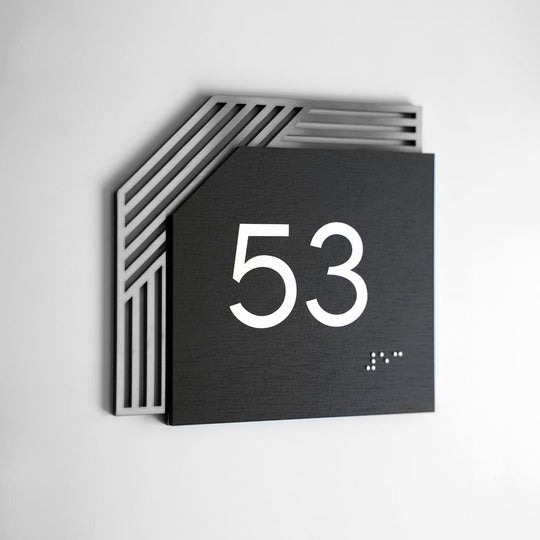
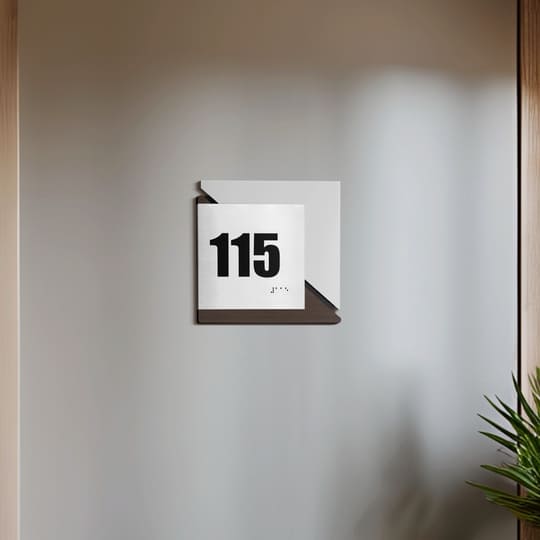
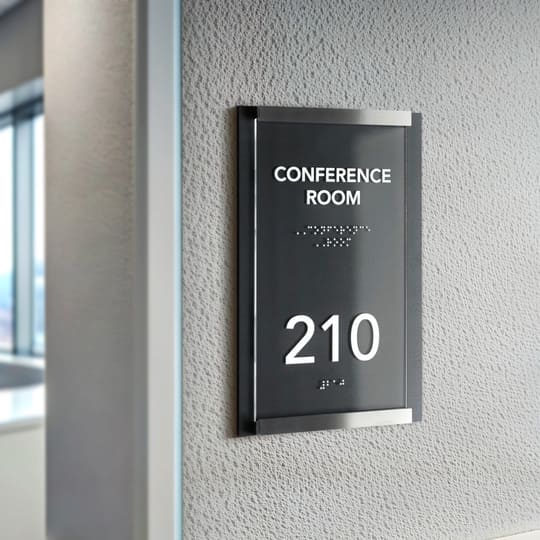
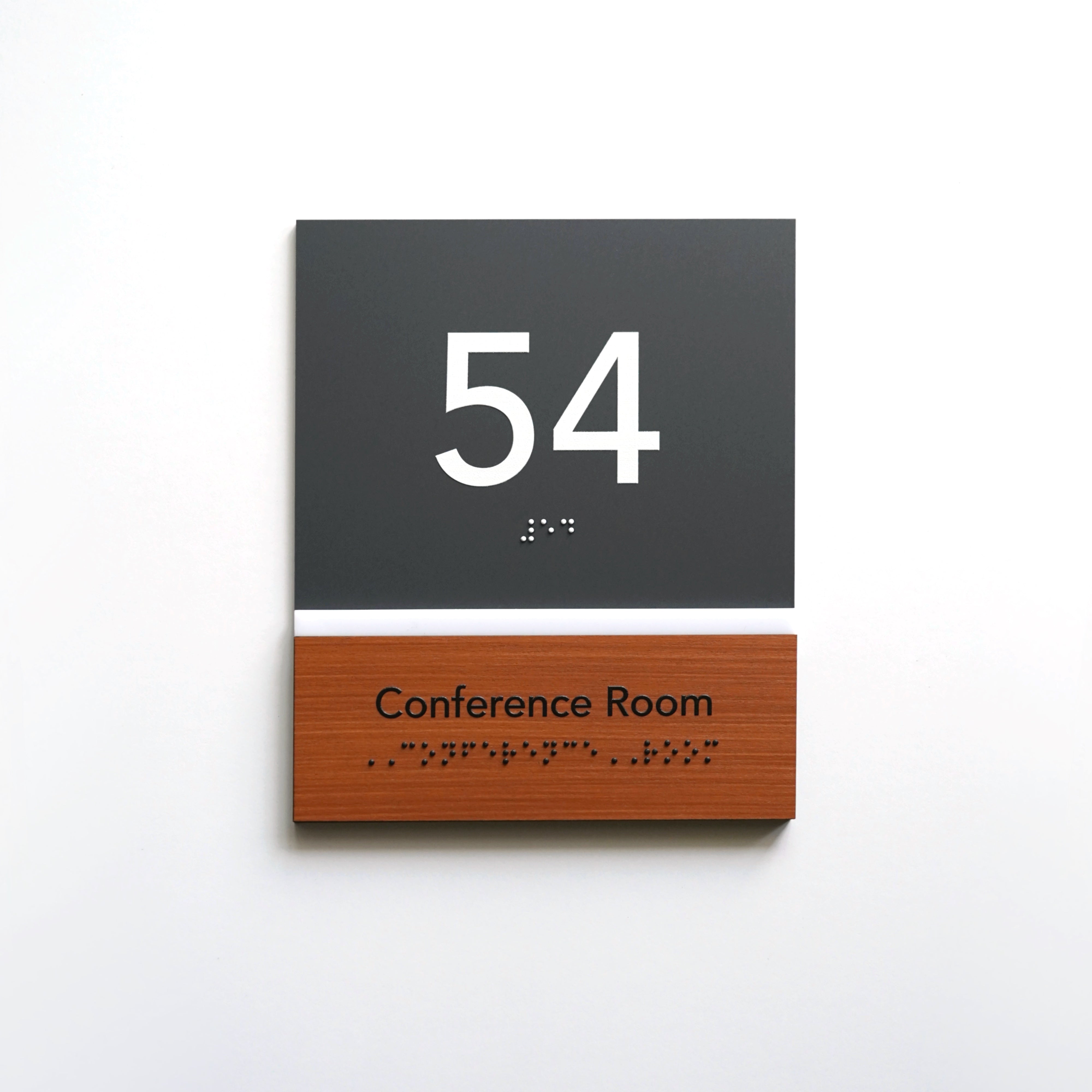
Office door signs are custom plaques or panes installed on or next to a door to identify rooms, employees, departments, and access restrictions in commercial buildings. They improve navigation, reinforce branding, and ensure AD compliance across the facility. An office plaque for door placement combines clear labeling with a material finish that matches the surrounding interior. Combined, these two factors make door signs a practical choice for both private offices and shared spaces.
Door signs come in several types, each serving a specific function within the space. Here’s the list of common door sign types:
-
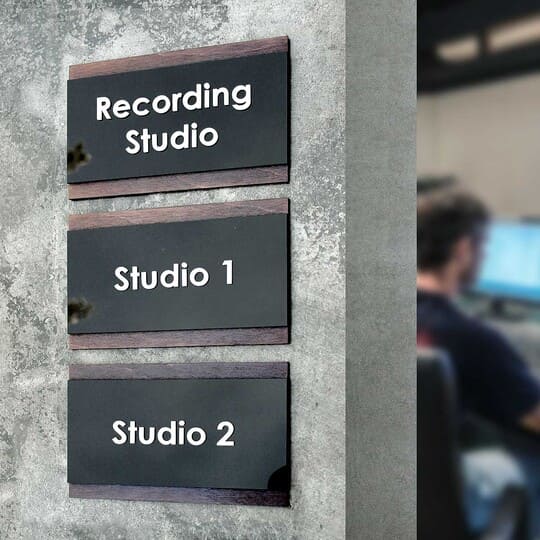
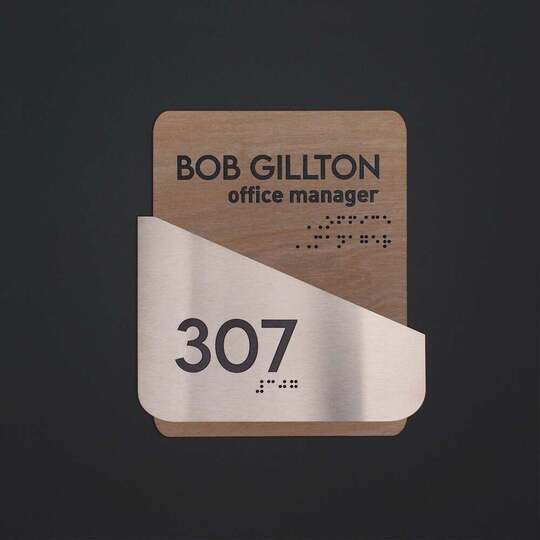
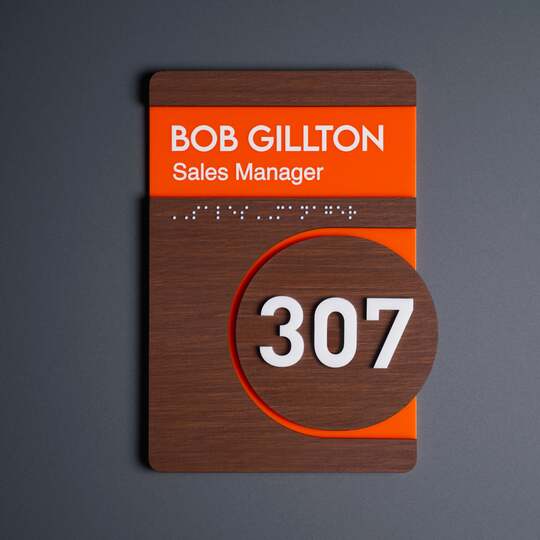
Name plates for office doors (personal identification by name and title)
-
Office plaque for door labeling (room function, department, or restricted access)
-
Changeable office door signs (insertable panels that update without replacing the frame)
-
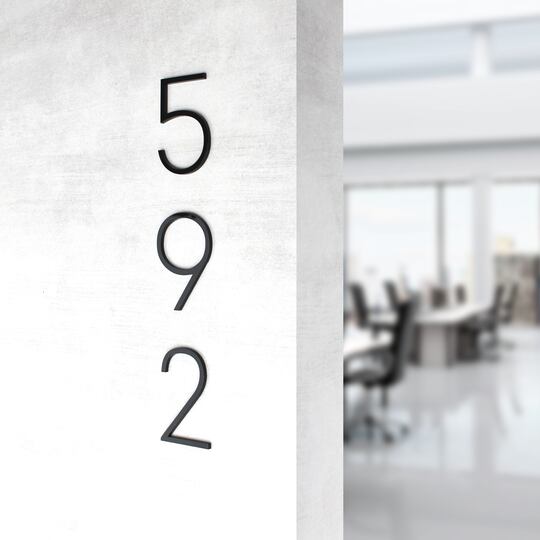
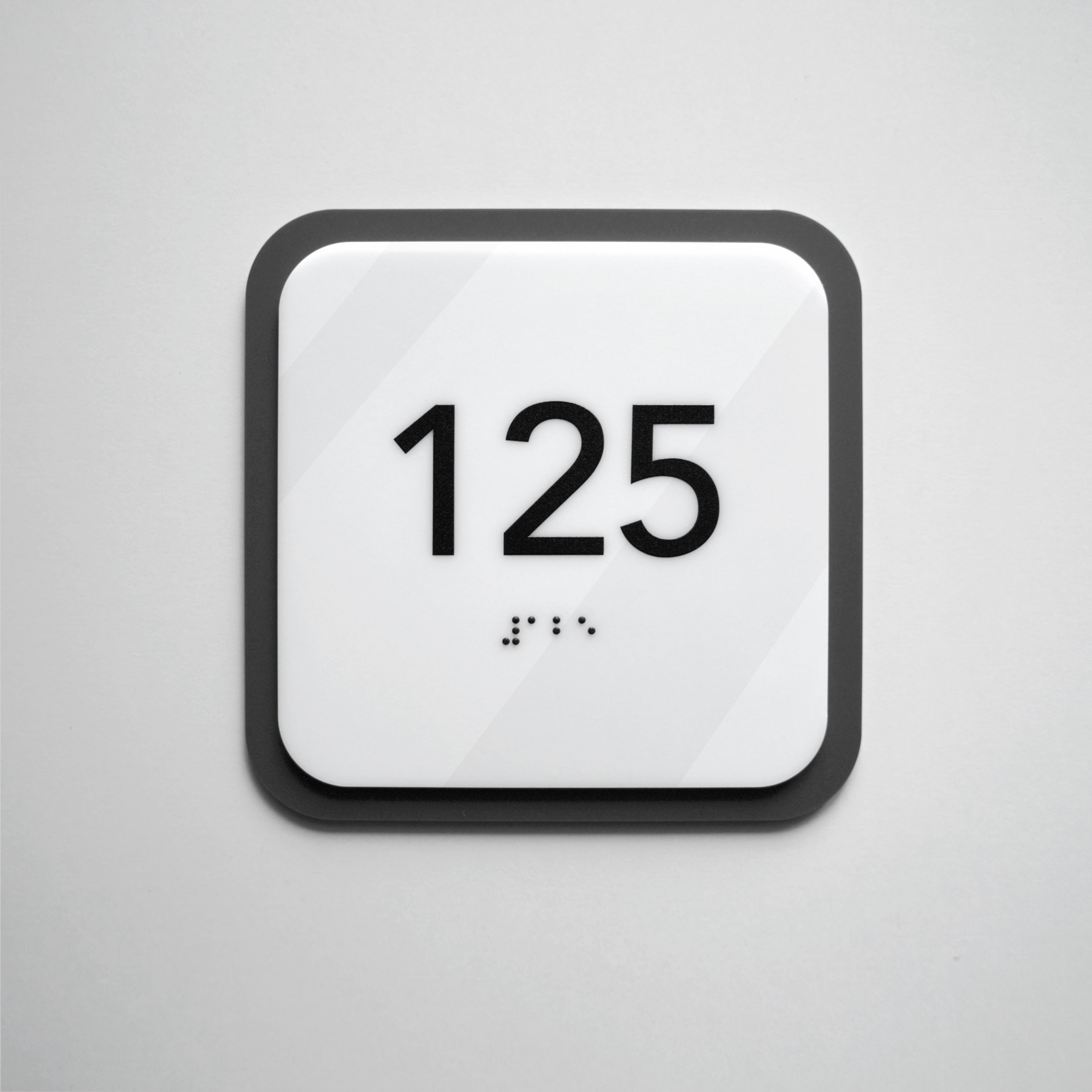
Room number signs
-
Directory panels
-
Suite identifiers
|
Sign Type |
Where Used |
Key Advantage |
|
Office door name plates |
Private offices, executive suites |
Personal identification, easy to update |
|
Door labeling plaque |
Corporate offices, professional services |
Displays name and title clearly |
|
Changeable signs |
Hot-desking offices, coworking spaces |
Updates without replacing the frame |
|
Room number signs |
Large office buildings, hotels |
Fast spatial orientation |
|
ADA-compliant plaques |
All permanent rooms in public buildings |
Legal compliance, tactile and Braille reading |
|
Reception signs |
Building entrances, front desks |
First impression, brand visibility |
|
Directory panels |
Building lobbies, multi-tenant floors |
Lists multiple rooms or people in one place |
|
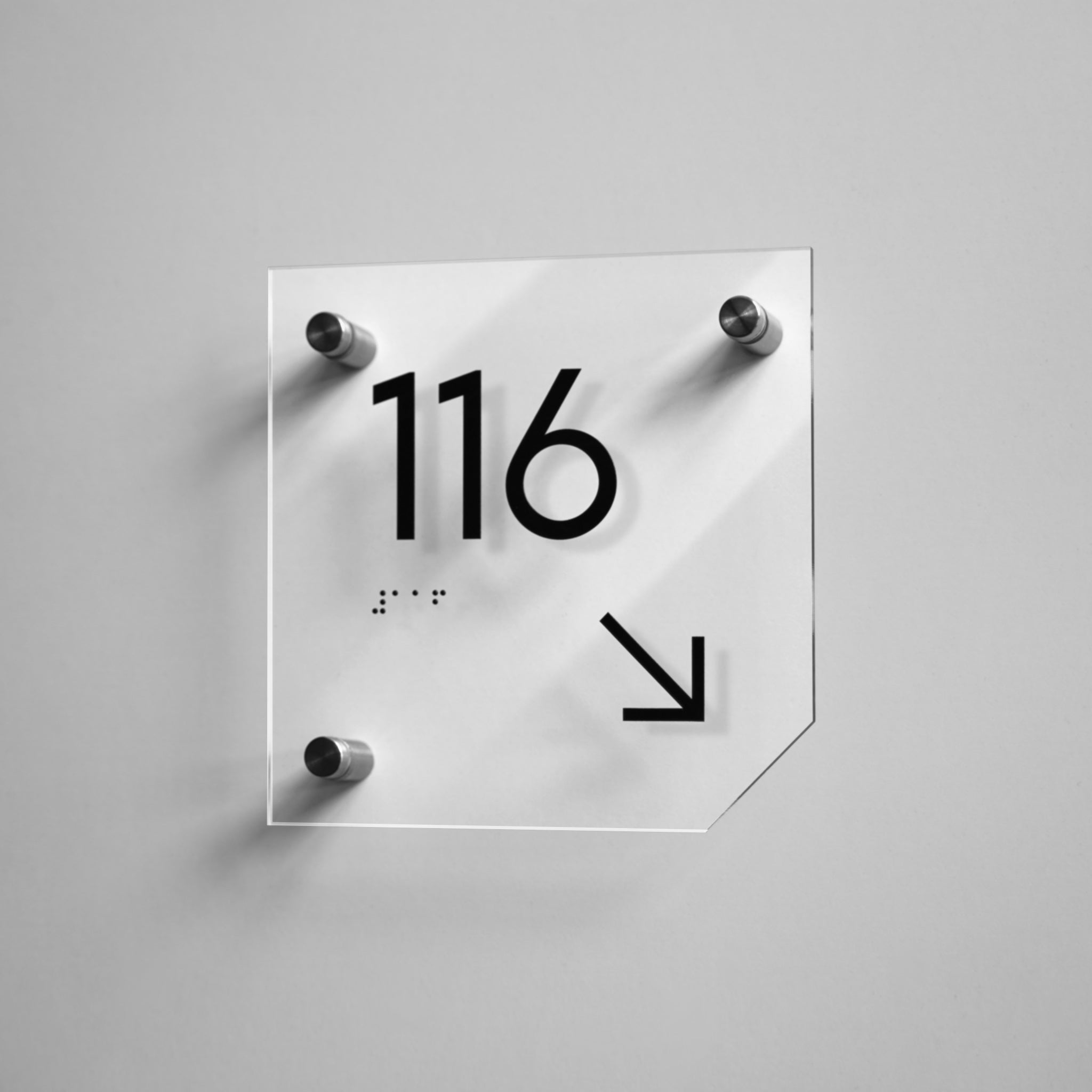
Directional signs |
Corridors, stairwells, large floorplates |
Guides movement through the space |
|
Suite identifiers |
Multi-tenant buildings, shared floors |
Distinguishes individual tenants |
Where Office Door Signs Are Used
Door signs appear across almost every type of commercial space. Corporate offices use them to identify employees and departments. Medical facilities, law firms, government buildings all rely on ADA-compliant sets for every permanent room. Coworking spaces and multi-tenant buildings need suite identifiers and directory panels to help visitors orient quickly. Retail back offices and hospitality venues use “staff only and “do not disturb” plaques to manage access without verbal instructions.
How to Choose Office Door Signs
Choosing door signs for business comes down to a few practical criteria that affect both daily use and long-term value. Think about these when choosing your future door sign:
-
Visibility and readability: font size and contrast between the text and the material need to work at a glance from a normal walking distance
-
Material durability: resistance to scratches, moisture, and daily contact, all of which may be important factors to consider in crowded spaces
-
Mounting and placement: signs positioned at eye level and consistently across all doors reduce the cognitive load of navigating a space, so think about quality and positioning
-
ADA compliance: in the US and California, raised characters and Braille are legally required for all permanent rooms and spaces, and non-compliance violates both federal law and state civil rights code, so be careful to keep it in mind when choosing a door sign
-
Design consistency: the finish and format should align with the overall interior, so the signage system feels intentional rather than assembled piece by piece
Popular Materials for Office Door Signs
Let’s take a closer look at the materials list. The main rule is simple: the right material choice depends on the environment and the look you’re going for. Acrylic is light and cost-effective. It makes it a practical default for most office settings. Brushed stainless steel holds up in high-traffic areas. Aluminum offers comparable durability at a lower price point compared to stainless steel. Brass suits premium or traditional interiors, glass works well in modern spaces, and wood fits environments where a warmer aesthetic matters.
Why Custom Office Door Signs Matter
Custom door signs for business do more than display a name. Well-designed signage reduces the time people spend figuring out where to go, which keeps foot traffic predictable and interruptions low. Personalized nameplates outside private offices help visitors identify the right person without asking at reception, while informational plaques mark shared spaces like meeting rooms or storage areas clearly and consistently.
Another aspect worth mentioning is ADA compliance. In the United States, ADA-compliant signage is required for all permanent rooms in public spaces. In California specifically, non-compliance can lead to fines or legal action under state civil rights law. But even beyond the legal side, inclusive design matters as it signals that the space was built with all users inclusively in mind.
Key benefits of custom office signs:
-
Faster wayfinding: clear labeling at every entry point cuts down on wrong turns
-
Stronger brand presence: consistent materials and finishes reinforce visual identity throughout the space
-
ADA compliance: raised characters and Braille, where required, protect both visitors and the business
-
Scalability: modular or changeable formats make it straightforward to update signs when teams or rooms shift
Which Office Door Signs Work Best for You
Different spaces call for different solutions. Businesses typically need custom signs in situations like opening a new location, rebranding, expanding into new floors, or when staff turnover makes generic labels impractical.
In private offices and executive suites, name plates for office doors are the standard choice. They identify the person behind the door, updating easily when roles change.
In environments where focused work matters, like law firms or therapy practices, a "do not disturb" plaque adds a practical layer of communication without requiring any interaction. Restricted areas need clear "staff only" signs to manage access without relying on verbal instructions. Coworking spaces and healthcare facilities usually lean toward modular or fully ADA-compliant sets, depending on how permanent the room functions are.
Office Door Signs and Modern Office Design Trends
Signage shouldn’t be an afterthought in workplace design. Nowadays, office room signage is expected to match the aesthetic of the space, not simply label it. It is all part of the global trend where offices move toward more flexible layouts complemented by stronger brand identity. Material choices, typography, and finish are all part of the broader design decision. If you want a fuller picture of where workplace interiors are heading, our overview of trends in office design covers the directions worth paying attention to.
Why Choose Bsign for Office Door Signs
Bsign has been producing door signage for offices across the US, with a catalog that covers everything from simple nameplates to fully ADA-compliant plaques. The list of materials we offer includes acrylic, brushed stainless steel, aluminum, brass, and wood, with engraving options on most of our products.
Bsign’s oricing is competitive without cutting corners on finish quality. Orders ship fast, and the range is wide enough to cover a single private office or an entire building floor in one order.
If you know what you need, our shop is straightforward to navigate. If you're still figuring out the right type or material, the product pages include enough detail to make an informed choice without having to call anyone. Browse the full range of office plaques at Bsign and find the right fit for your space.
FAQ
What are office door signs used for?
Office door signs are used to identify rooms, guide visitors, and improve navigation within workplaces. They help create a structured environment, reduce confusion, and support a professional and accessible experience for both employees and clients.
Are ADA-compliant office door signs required?
ADA-compliant office door signs are required in many commercial and public buildings to ensure accessibility for people with visual impairments. These signs include Braille, tactile lettering, and high-contrast design to meet accessibility standards.
Why are custom office door signs important for businesses?
Custom office door signs help businesses maintain a consistent brand identity while improving wayfinding and user experience. Well-designed signage enhances first impressions, supports daily operations, and reflects professionalism in commercial environments.


