









News

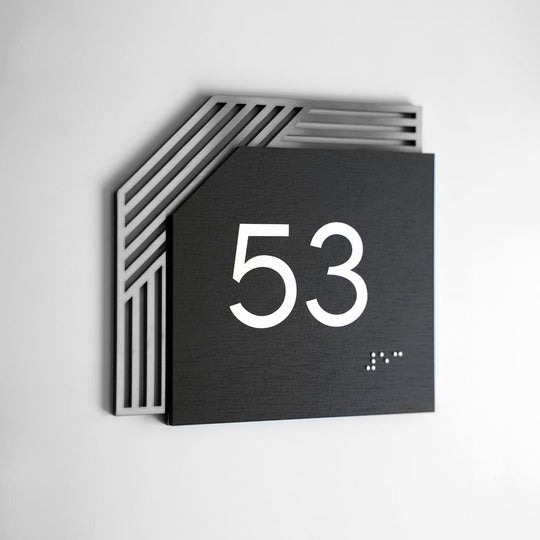
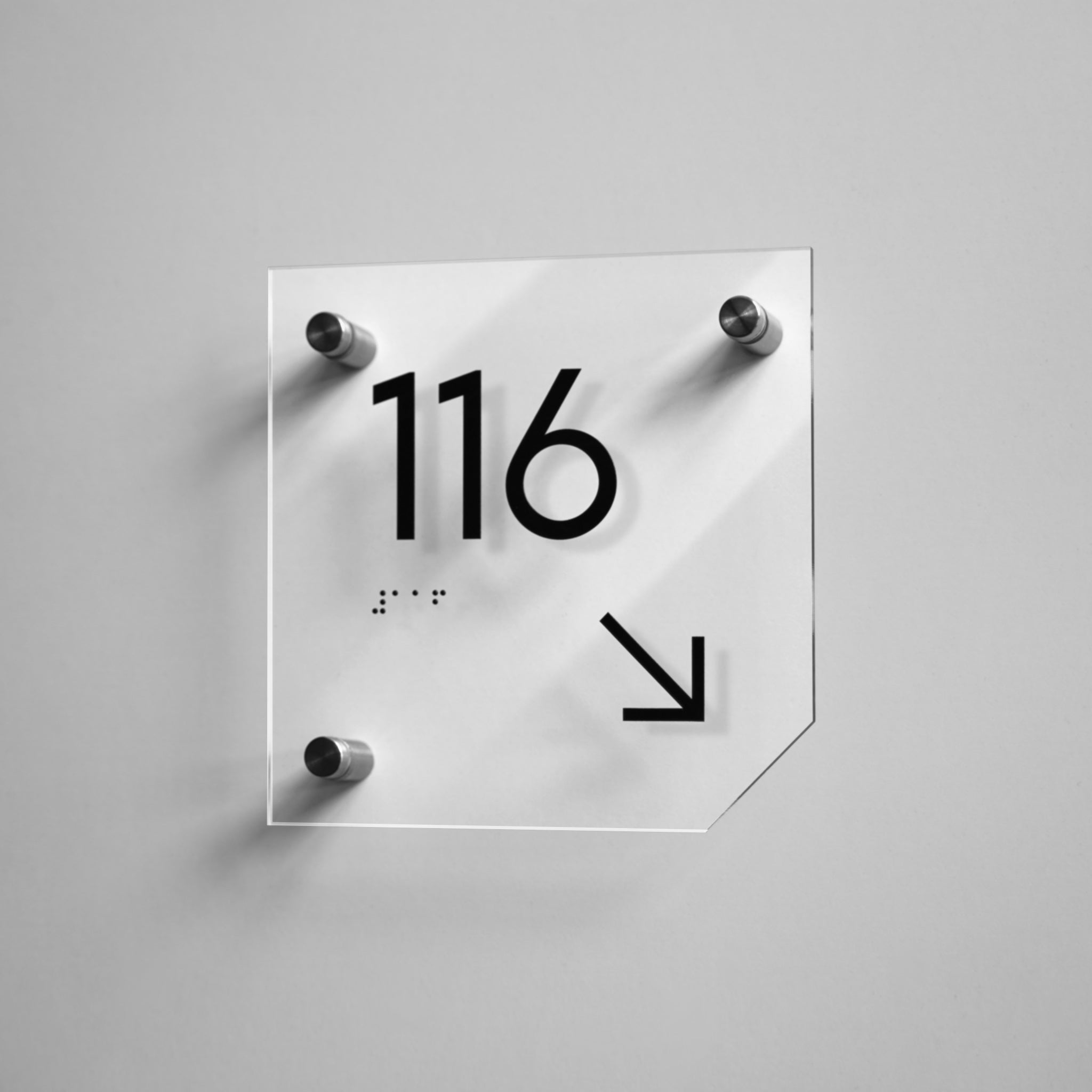
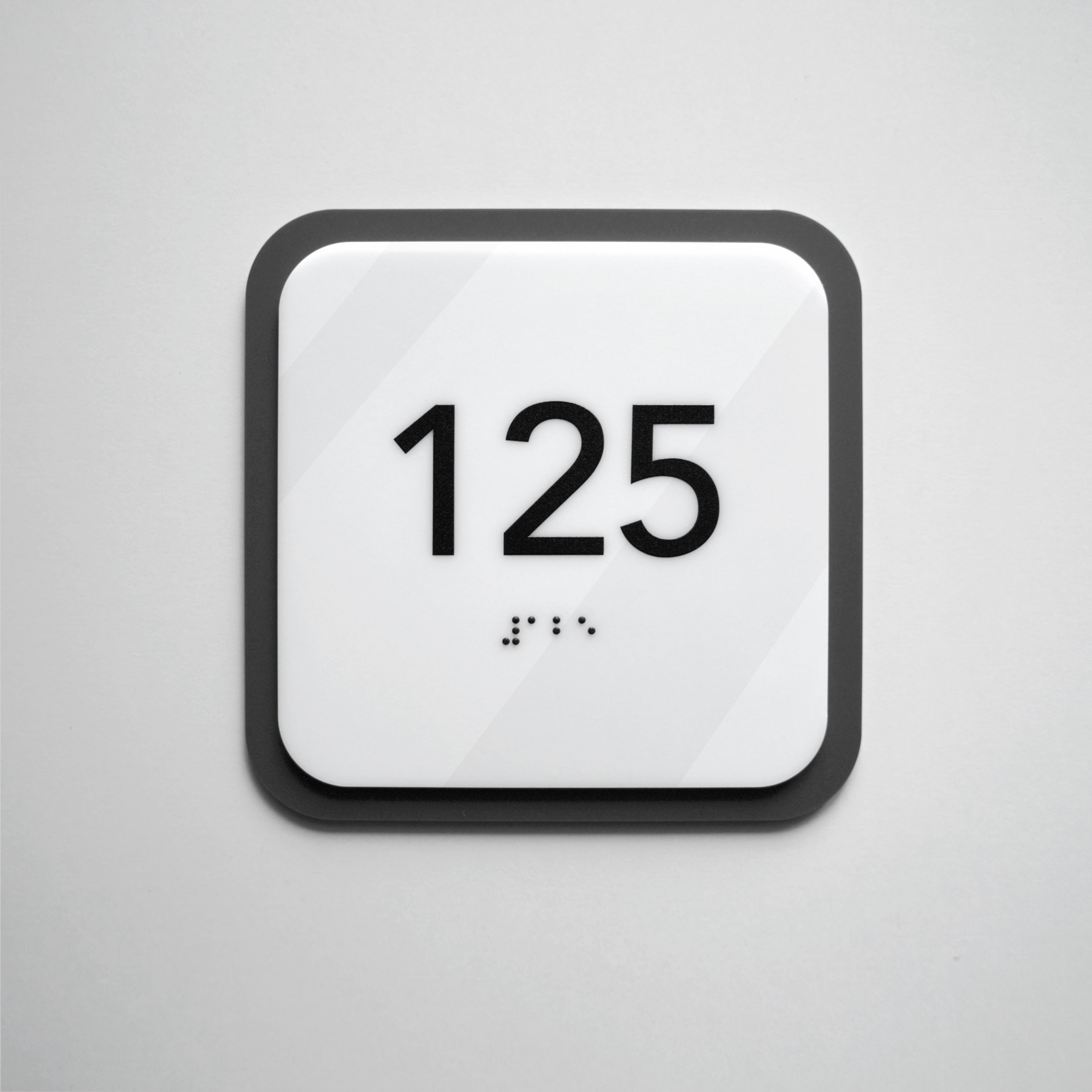
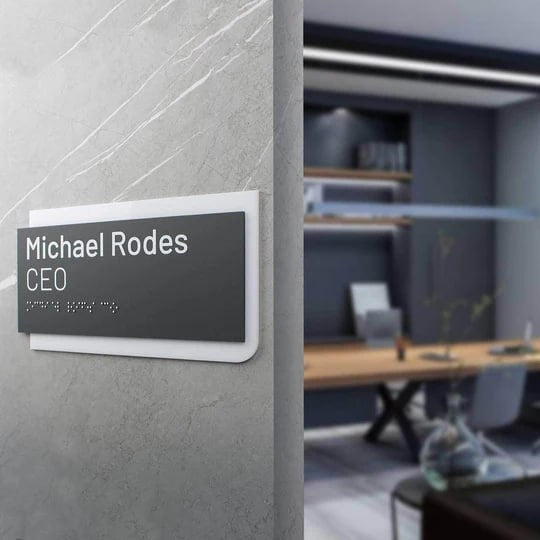
Under the 2010 ADA Standards for Accessible Design, office signs that identify permanent rooms and spaces must provide raised characters and contracted (Grade 2) Braille, where provided, and meet applicable visual requirements. Tactile characters are mounted 48–60 inches above the...
Continue reading

There’s no single price for a custom door sign. Cost depends on material, size, shape, personalization, lettering method, and quantity. As of September 24, 2026, BSign Store’s custom text signs start at $20 in acrylic and $31 in wood and...
Continue reading

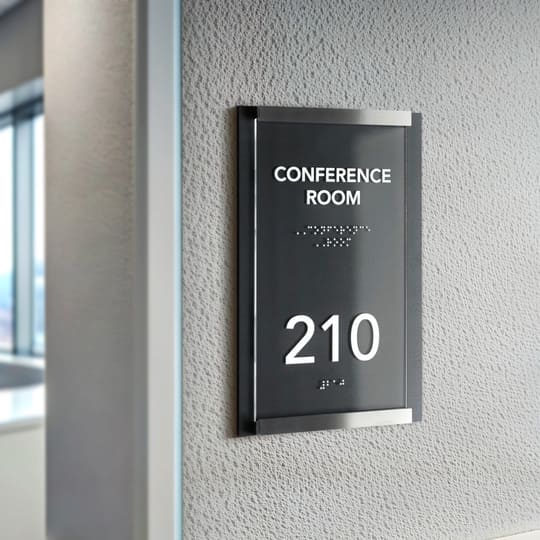
Under the 2010 ADA Standards, a sign identifying a permanent room or space must have raised characters and Contracted (Grade 2) Braille. Raised characters are generally 5/8”–2” (16–51 mm) high and, when they also serve as visual characters, need contrast...
Continue reading

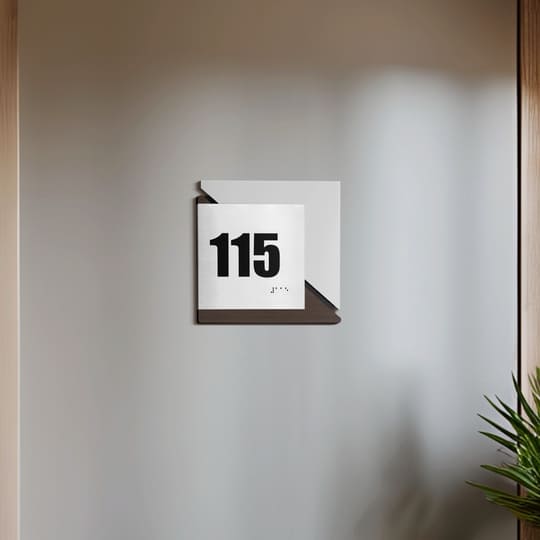
Apartment and unit numbers are official designations set through project documentation and local addressing requirements. To make a multifamily property easy to navigate, those numbers have to follow one consistent system of building, floor, and unit signage. For Yaroslaviv Hrad,...
Continue reading

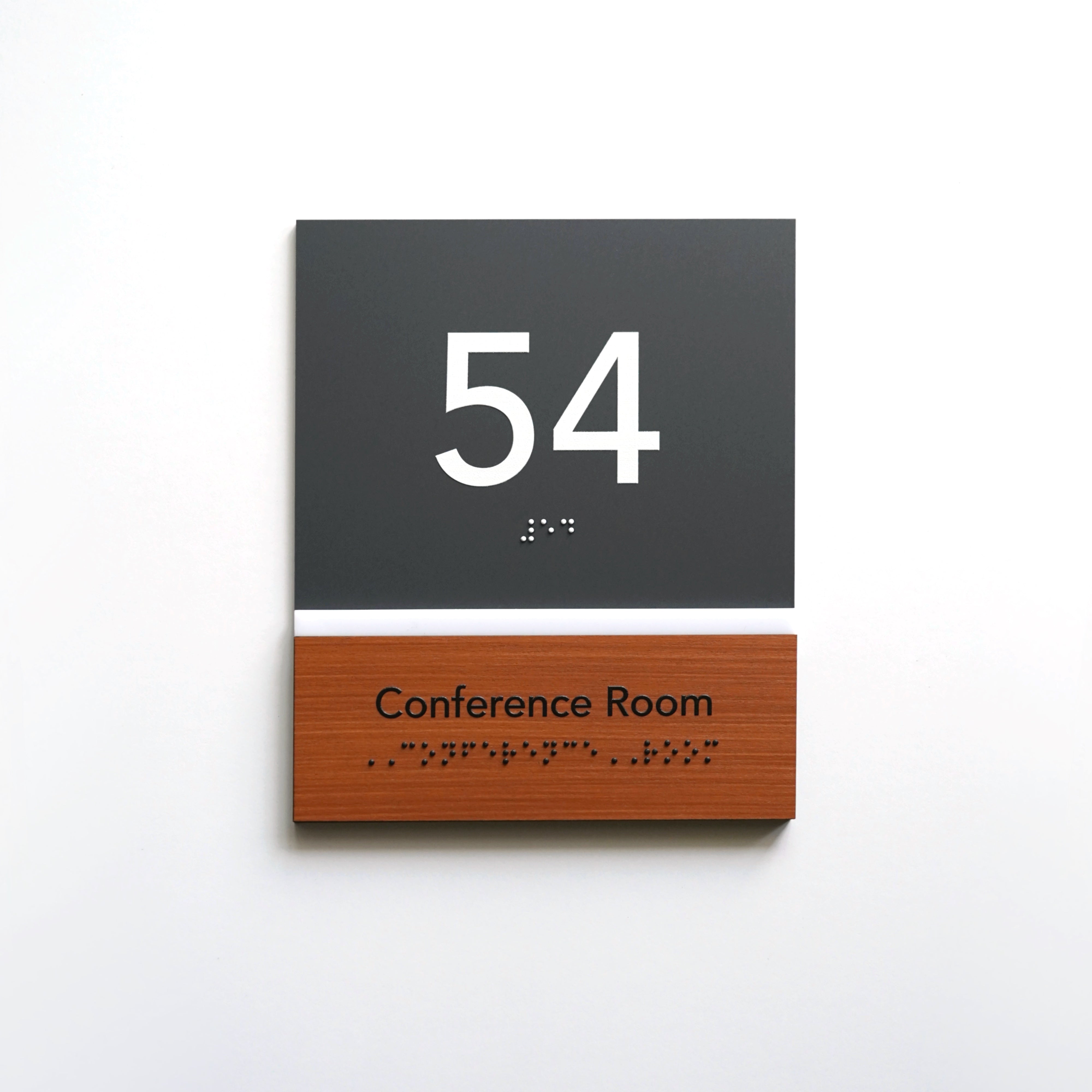
A door sign is chosen in a fixed order: define its function and information first; assess usage conditions and location, including whether it identifies a permanent room or space subject to tactile requirements; then select the material and design; finally,...
Continue reading


