





by Oleh Tomilenko
Store and Showroom Signage: How Navigation Influences Customer Behavior and Sales
Store navigation signage is a structured system of visual elements that guides customers through retail spaces, helping them locate products, understand routes, and make faster purchasing decisions.
A modern retail space is an environment where every element nudges customer decisions. Store and shopping mall signs define how customers move through the space, prompt their actions, and help people find their way quickly. Effective retail signage systems guide attention, movement, and ultimately drive sales.
In physical retail spaces, shoppers rarely follow instructions, they act intuitively. When the environment is clear, they keep moving. When it isn’t, they pause or leave. That’s why retail signage stops being a decorative extra. Retail store signs set direction, shape expectations, and speed up decision-making at key decision points.
In showrooms, the context is slightly different, but the principle remains. Showroom plaques support the overall space rather than overwhelming it. They maintain movement logic without interfering with product perception — especially important in environments where decisions are both rational and emotional.
Store navigation works like an invisible script. It shapes where shoppers go, where they stop, and how long they stay. With retail wayfinding signage and clear directional signage for stores, businesses influence not just movement but also focus of attention. This directly impacts sales: the more touchpoints with products, the higher the probability of purchase.
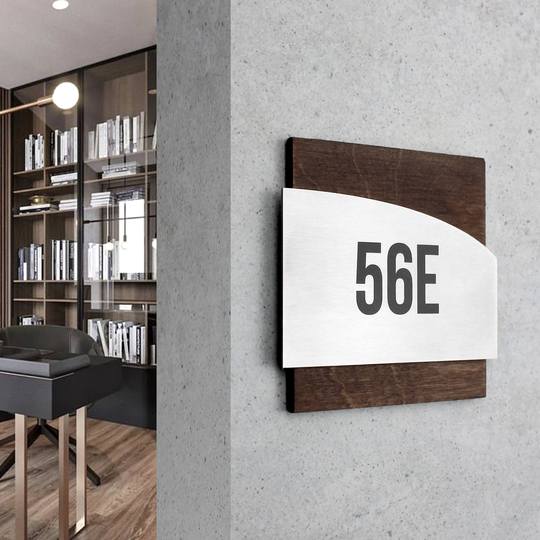
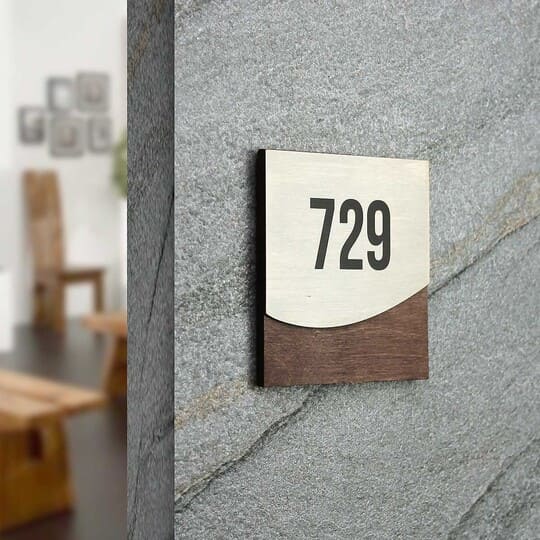
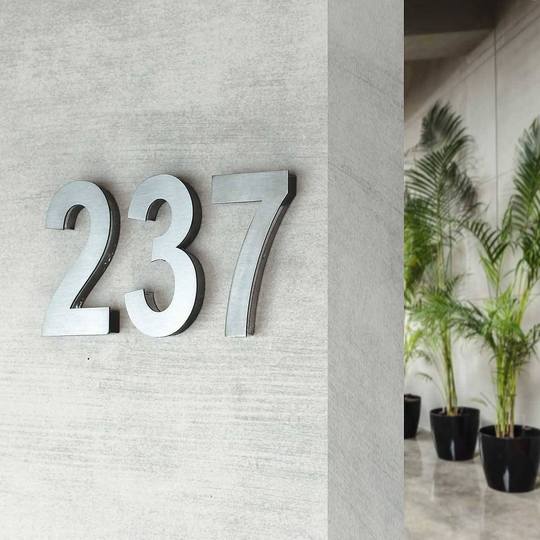
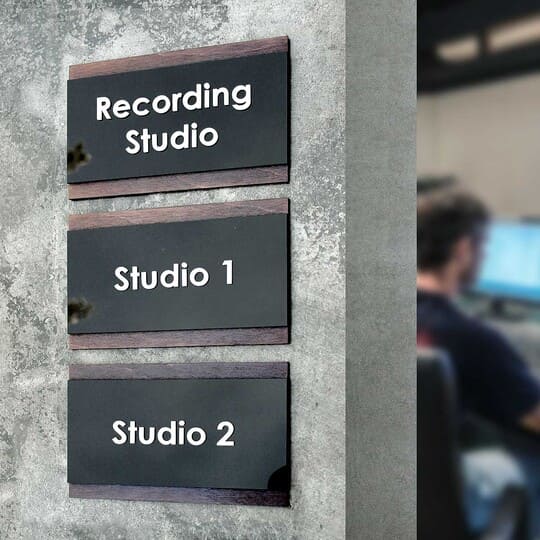
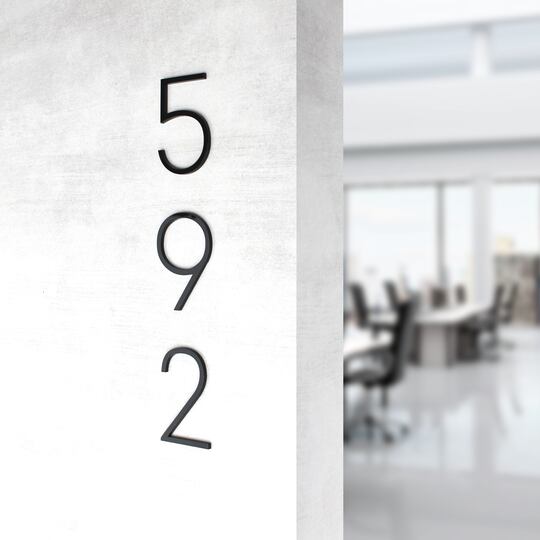
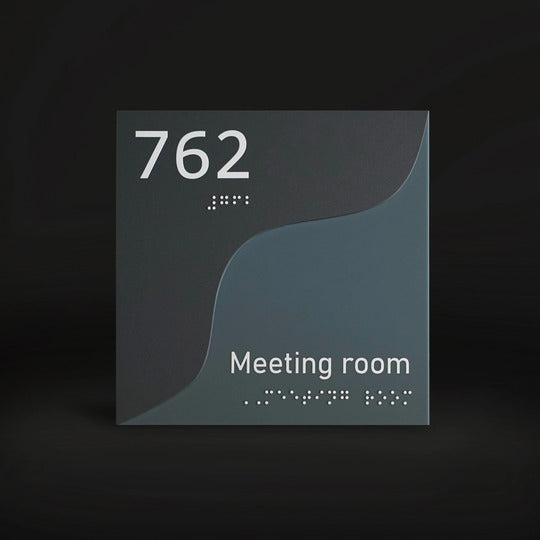
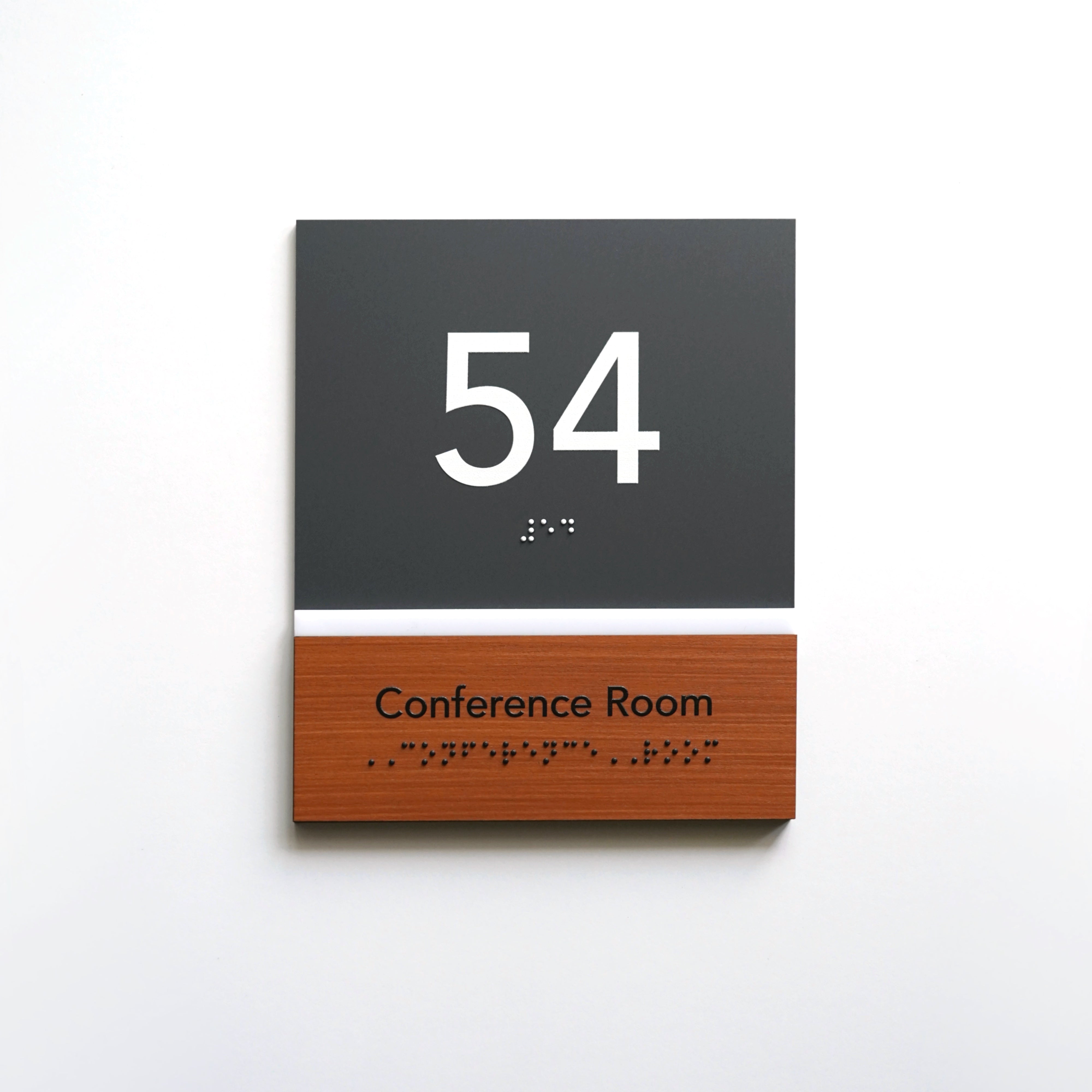
The Gray Calm collection features minimalist custom retail signs in neutral tones with high-contrast typography — ideal for structured, visually clear environments.

What Is Store Navigation
Wayfinding is a system of visual cues and solutions that helps customers find their way, locate products, and move toward a purchase. For example, a “Fitting Rooms →” informational signage reduces search time and eases shopper stress.
This system covers more than individual pieces: it includes placement, scale, contrast, and repetition. When all elements work together, customers don’t have to think about the route — they follow it, gradually covering more zones.
That’s why orientation becomes part of commercial logic: it organizes space, reduces confusion, and makes the experience predictable. The result is less time wasted searching and more time spent choosing.
When retail signage is integrated into the interior, it acts as a cohesive whole rather than isolated objects. That coherence builds trust in the environment and signals thoughtful design — critical in competitive markets where every detail affects choice.
At the same time, effective navigation must meet store interior signage requirements, ensuring consistency, readability, and proper placement across the entire space.
Where Navigation Signage Is Used
-
• clothing and footwear stores;
-
• shopping malls and large retail centers;
-
• supermarkets and grocery chains;
-
• showrooms and concept stores;
-
• electronics and appliance stores;
-
• DIY hypermarkets.
In all of these formats, the sales floor is large and the assortment is wide. Without a clear orientation system, visitors spend time searching and are more likely to leave the store quickly.
Why Retail Navigation Signage Became a Sales Tool Instead of Decoration
Markets are saturated and attention is scarce. Customers face dozens of similar offers daily, so they make decisions quickly and with minimal analysis. The space that wins is the one that doesn’t make people think but immediately suggests the next action.
Competition forces retailers to think not only about assortment, but also about how people move through the store. The environment stops being neutral and starts steering behavior.
Cause–effect chain:
-
competition → attention pressure → faster decisions → need for clear orientation.
If customers don’t understand where to go next, they waste time trying to find their way. That reduces interest and shortens dwell time in store, cutting potential sales before the customer even sees the core assortment.
Directional elements for stores play a practical role here: they structure the space, remove unnecessary questions, and help shoppers move quickly from entry to product interaction.
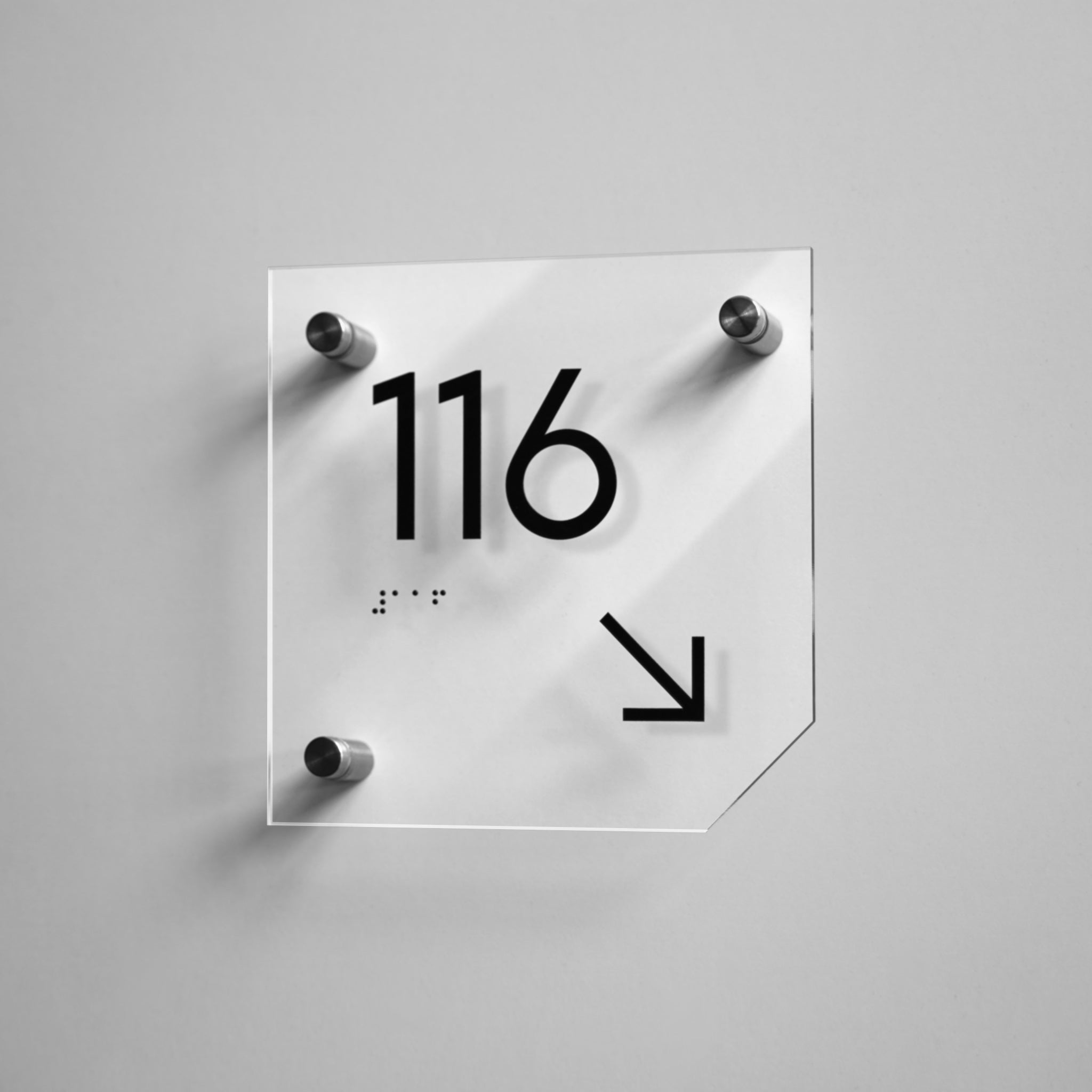
Directional plaques from the Genova collection — with clear arrows and thoughtfully composed layouts — effectively manage customer flow through the store:

How Retail Navigation Influences Shopper Behavior in Stores
Store signage systems set the rules of movement and the pace of interaction with the space. It shapes shopper behavior through clear signals that need no explanation.
Key influencing factors:
-
• direction — the customer knows where to go next with no extra effort;
-
• speed — decisions are made faster, without delays;
-
• depth — the shopper moves through more zones and interacts with more products.
A clear direction creates visual navigation cues that lead the visitor through the space. They don’t linger at the entrance or turn back; they move forward, gradually covering the entire sales floor.
A coherent retail navigation system guides movement, shortens pauses between decisions, and increases the number of product touchpoints. Clear signals reduce uncertainty, so the customer acts more quickly and with greater confidence.
How Store Navigation Influences Time in Store and Average Purchase Value
Dwell time in the store is directly linked to purchase volume. The longer a person stays in the space, the more products they see and evaluate.
Store zoning affects this through a simple cause–effect model:
-
clear route → longer stay → more product exposure → higher purchase probability.
When retail space orientation is effortless, visitors don’t waste energy searching. Instead, they focus on choosing. That raises customer engagement zones and increases the likelihood of add-on purchases.
Areas where shoppers naturally slow down are prime spots for accents and offers; orientation helps bring people to those points and hold their attention, activating impulse purchase triggers.
To increase average purchase value via wayfinding, plan routes so customers move through multiple product categories and pause in key zones. Wayfinding subtly suggests where to go next, creating opportunities for additional choices without pressure.
Store Zoning: How to Design Effective Customer Routes
Thoughtful route planning in stores gives businesses control over how people move through the space. Without clear structure, flow becomes chaotic: customers skip zones, backtrack, or leave quickly without engaging with the assortment.
Zoning establishes predictable movement logic so every visitor passes through key points and sees more merchandise.
A typical shopper journey through the store includes the following stages:
-
Entry — the first contact point, where visitors quickly understand where they are. It's important to establish the direction of flow right away and eliminate any uncertainty.
-
Orientation — forming a mental map of the space; the visitor should understand where main categories are located and how to move between them.
-
Key zones — the core stage for finding desired items. Here it's crucial to provide a simple, easy-to-understand layout in the store.
-
Impulse areas — additional interaction points placed along the route to boost sales through spontaneous decisions.
-
Checkout — the final point where the route concludes and the total is formed.
This approach allows businesses to manage customer movement logic. Customers don’t wander — they move smoothly through all critical zones, following a structured store layout flow.
To map the route, define a clear shopper path from the entrance to the checkout and position key categories along it. Customer flow signage should guide each next step and avoid wayfinding “blind spots” where visitors are unsure what to do.
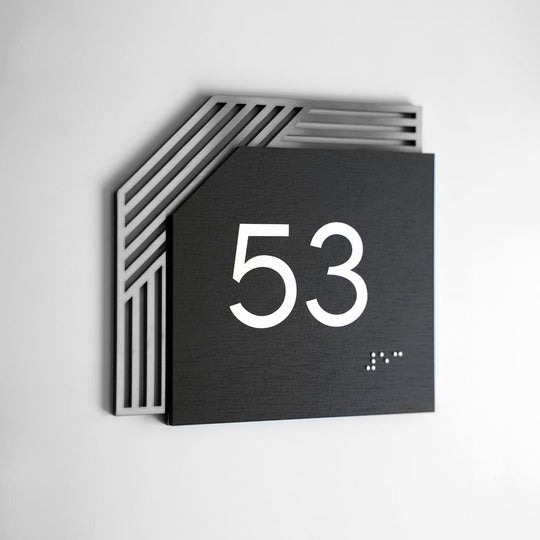
Creative in-store signage using unconventional typography and materials from the Creative collection, reinforcing brand identity in boutiques:

Navigation Hierarchy in Retail and Mall Spaces
Retail wayfinding signage forms a system that structures space and sets the sequence of actions. It creates a visual hierarchy that lets customers read information quickly and effortlessly.
Each level in this hierarchy serves a distinct role. Some mall wayfinding signage defines direction, others explain, and some drive action. Together they build a coherent in-store navigation logic.
Directional Signage
Directional signage for stores controls movement through the space. It indicates where to go: “Checkout →”, “Exit →”, “Fitting Rooms →”. Their job is to remove pauses in motion and make routes obvious. Customer flow signage controls shopper movement and helps avoid confusion, especially in large stores.
Informational Signage
Informational elements explain rules and details that are important to the customer. These can include opening hours, service conditions, or additional guidance about the space. They reduce the number of questions and simplify interaction with the store.
Promotional Signage
Promotional or commercial signage for stores captures attention. They highlight offers, focus the gaze, and create decision points. These plaques are typically placed in high-traffic areas or natural stopping points.
Service Signage
Service plates are about convenience. They include fitting room signs, restroom indicators, and other auxiliary space markers. Such in-store signage cuts search time and makes the in-store experience more convenient, which directly improves overall customer experience.
Five Essential Sign Types for Stores and Showrooms
A navigation system only works when it’s built consistently. Individual signs don’t have an impact without logical connections between them. That’s why an effective approach requires a set of sign types that cover all shopper movement scenarios.
Below are the key types that form a complete system.
Entrance Signage
This is the first point of contact with the space. Entrance navigation elements set expectations and explain the store or showroom format. The customer immediately understands where they are and how to interact with the environment. A clearly designed entrance reduces uncertainty and gives the route the right start.
Directional Signage
These indicate movement between zones and establish movement logic. Directional signage for stores is the backbone of the layout; they remove unnecessary pauses and help shoppers move without stops. Directional cues should be noticeable, concise, and repeated at key points.
Category Signage
Category plaques mark product zones and structure the sales floor. They help customers quickly locate what they need without additional searching. As a result, visitors spend less time finding their way and move straight to choosing.
Promotional Signage
Promotional plates work with attention and amplify commercial results. They highlight deals, emphasize value items, and create decision points. They are placed where customers naturally slow down or change direction.
Service Signage
Service products ensure convenience and speed of service. These include in-store signage and auxiliary areas, including service spaces. They reduce search time and make interactions with the store clear at every stage.
When all these types work together, the environment becomes predictable and logical. The shopper doesn’t get lost and follows the full route without extra effort.
The Bsign team helps design such solutions with attention to the specifics of the space and shopper behavior. That work covers shopping mall navigation systems, materials, and visual accents.
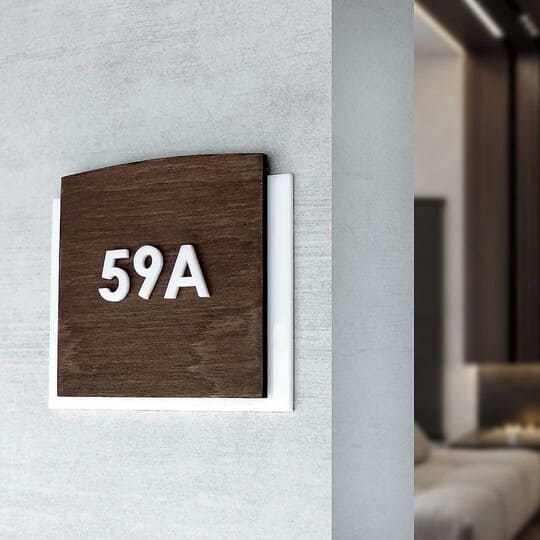
Navigation signs made from natural materials in the Authentic collection create a warm atmosphere and underline the space’s style:

How Clear Navigation Reduces Shopper Stress and Improves Shopping Experience
A visitor’s behavior in a store depends directly on how clear and intuitive the environment is. When a person cannot quickly find what they need, they spend time and effort trying to find their way instead of choosing. This creates tension and shortens their time spent in the store.
Without wayfinding, the process looks like this:
-
confusion → frustration → faster exit → lost sales.
The visitor doesn’t know where to go, begins moving randomly between zones or stops. With every extra second of uncertainty, the desire to leave the space increases.
A clear route changes this scenario:
-
clear layout → confidence → longer browsing → higher sales
When a person immediately sees where the needed zones are located, they feel in control. This reduces tension and allows them to focus on products. In that state the consumer makes more decisions and spends more time choosing.
Shopper stress reduction directly impacts sales. A comfortable environment builds trust and encourages interaction with the space without internal resistance.
To reduce confusion in a large store, it is necessary to implement a clear navigation system with repeated signals. Store signs should appear at key points along the route and duplicate one another so the customer always knows where they are and where to go next.
Materials Comparison for High-Traffic Retail Environments
The material of decorative elements directly affects how long they retain their appearance and how reliably they perform under daily use. In high-traffic stores surfaces wear out quickly, so it’s important to choose solutions that withstand constant contact and preserve retail environment usability, keeping information legible.
Beyond durability, the material shapes perception of the space. It either enhances the interior or clashes with it. Therefore, the choice should consider not only practicality but also the style of the environment where the informational signage will be used.
Below is a comparison of materials most commonly used in store and showroom wayfinding.
|
Material |
Advantages |
Limitations |
Best Use |
|
Stainless Steel |
highly durable, resistant to wear, premium appearance |
higher cost |
high-traffic stores, shopping malls, busy retail environments |
|
Acrylic |
strong contrast, modern look, flexible design options |
can scratch over time |
showrooms, modern retail interiors |
|
Wood |
warm aesthetic, natural appearance, strong branding potential |
requires proper maintenance |
boutiques, branded showrooms, concept stores |
Signs for shopping centers require maximum durability, so these materials are optimal choices.
Three Navigation Mistakes That Reduce Sales
Even when signs are present, wayfinding can fail. The reason is a lack of system or errors in implementation. As a result, the space looks organized but does not help the shopper move.
Lack of navigation logic
When the spatial structure is not obvious, the visitor must find their own way. For example, in a clothing store women’s and men’s collections are mixed and category plaques are only partially placed. A person walks past the needed department and wastes time backtracking.
Another example: in a large supermarket everyday items (bread, milk) are placed without clear logic and the navigation elements do not reflect the actual layout. The shopper begins to move chaotically between aisles and may leave the store earlier than planned.
Information overload
An excess of text complicates perception. Instead of a quick signal, the visitor sees many details that take time to process.
A practical example is an in-store signage above a department that, instead of a short “Shoes,” lists several lines of subcategories. In motion this is unreadable, so people ignore the information.
Another scenario is promotional plates with many conditions, small types, and extra explanations. The shopper won’t spend time reading and simply passes the offer by.
Low visibility
If navigation elements are not noticeable, they do not perform their function. Causes can be low contrast, incorrect placement, or poor scale.
For example, a dark-text plaque in a store with a dark interior blends into the background and fails to attract attention. Or plaques are placed too high or too low, outside the direct line of sight.
Another common case is small products in a large sales area: they cannot be read from a distance, so visitors do not notice or use them.
These mistakes often overlap and amplify each other. The result is an overloaded or chaotic environment where wayfinding fails at its main task — helping the shopper move quickly and confidently toward a purchase.
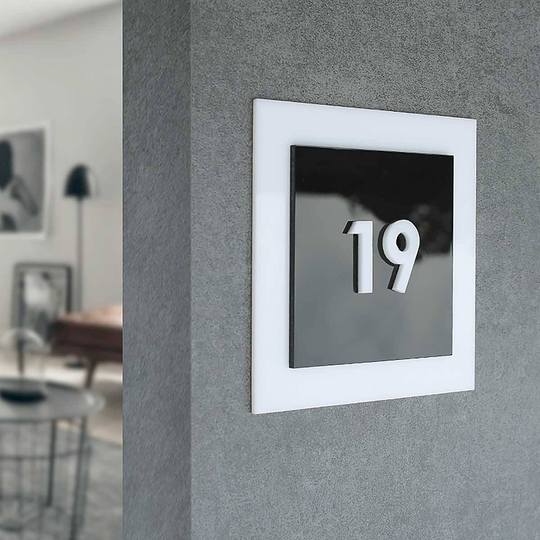
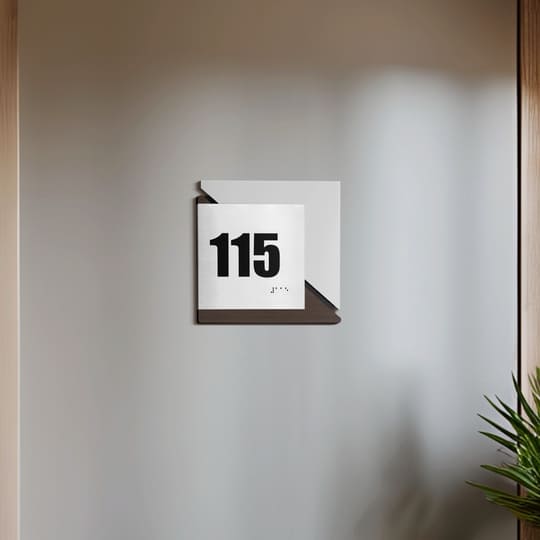
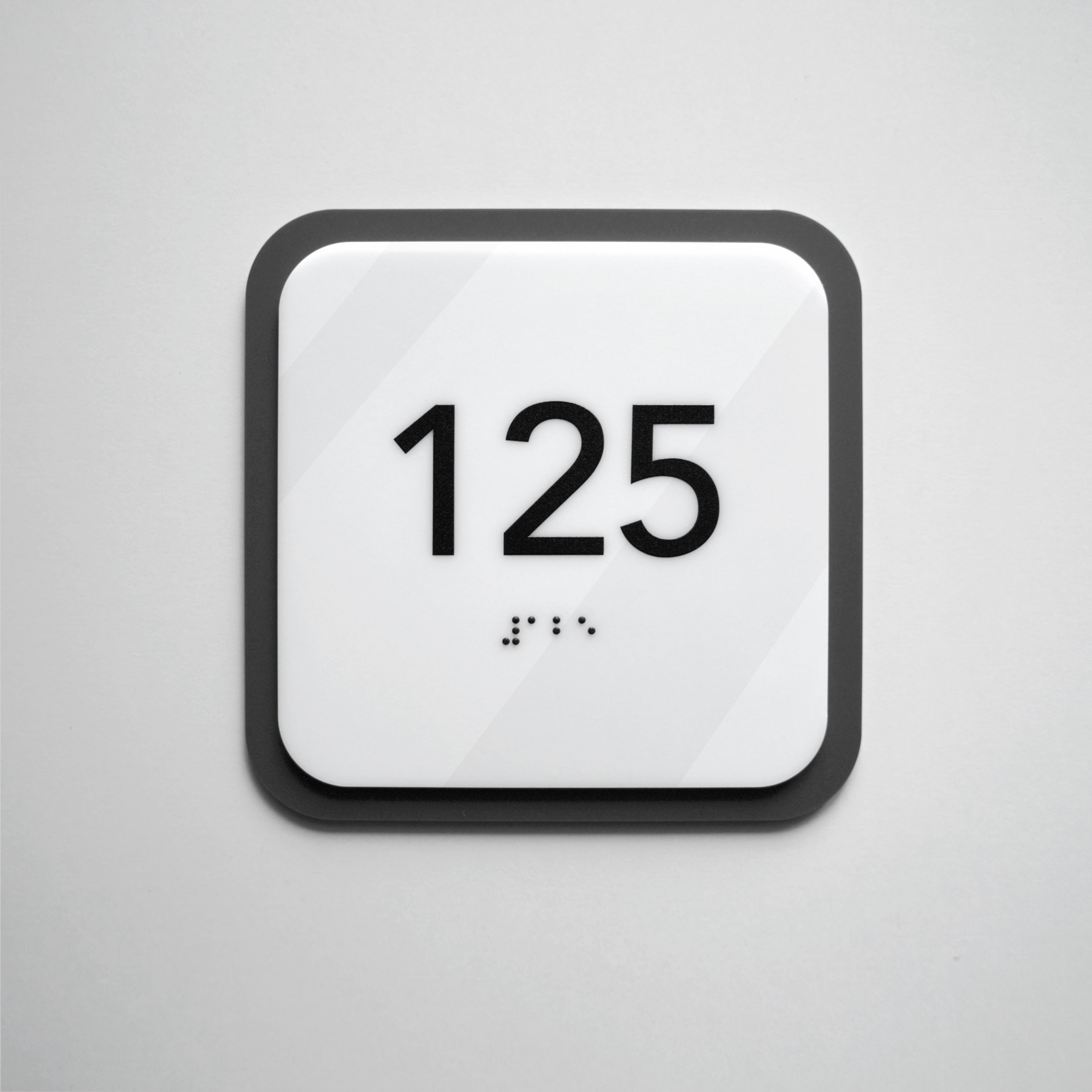
High‑contrast signs for shopping centers with concise wording from the Clear collection that ensure fast readability in high‑traffic stores:

Best Navigation Practices for High-Traffic Retail Stores
In high-traffic spaces the movement trajectory must work quickly and without glitches. The shopper does not analyze, so signals must be obvious at first glance.
A practical approach can be summarized as a checklist:
-
• repeat navigation signals at different points along the route so the visitor always sees confirmation of the correct direction;
-
• keep messages short and instantly readable to support quick decisions;
-
• guide attention visually through contrast, shape, and scale, ensuring strong visual clarity in signage.
This approach reduces cognitive load and makes movement predictable. The result is increased retail space efficiency and simplified traffic management within the space.
Why Navigation Signage Is Part of Retail Commercial Strategy
A wayfinding system does not exist separately from business processes. It is directly connected to how space is organized and how customers interact with products.
Orientation integrates into three key areas:
-
• merchandising — determines which products customers see and in what sequence;
-
• space planning — sets directions and distributes flows;
-
• shopper behavior — shapes movement habits and stopping points.
Through layout, a business influences shopper journey flow, defines customer attention zones, and places visual accents in the space. This allows control not only over movement but over the entire decision-making process.
To build effective store signage systems, plaques must be integrated into the overall spatial strategy — taking into account movement logic, key zone placement, and interaction points with products. All elements should work as a unified system, not as isolated solutions.
Navigation Signage as a Tool for Managing Customer Experience in Retail Spaces
In-store layout is a tool that shapes the experience of interacting with the space. It determines how easily a consumer finds the way, how quickly they find what they need, and how much time they are willing to spend making a choice.
When the system is built correctly, the person does not notice the wayfinding process itself. They move naturally, without stops or extra effort. This creates a sense of comfort and builds trust in the environment. As a result, the shopper covers more zones, interacts with more products, and makes more decisions.
Conversely, the absence of clear logic creates barriers. The person must spend time searching, which reduces engagement and shortens the depth of interaction with the assortment. In that case, even a strong product cannot compensate for an inconvenient experience.
Store and showroom signage is integrated into the interior more delicately and does not create rigid movement scenarios.
Contact Bsign specialists for a consultation to get a solution that integrates seamlessly into the interior and works as part of a commercial strategy. This will make the space clear, increase shopper comfort level, and boost the efficiency of every square meter.
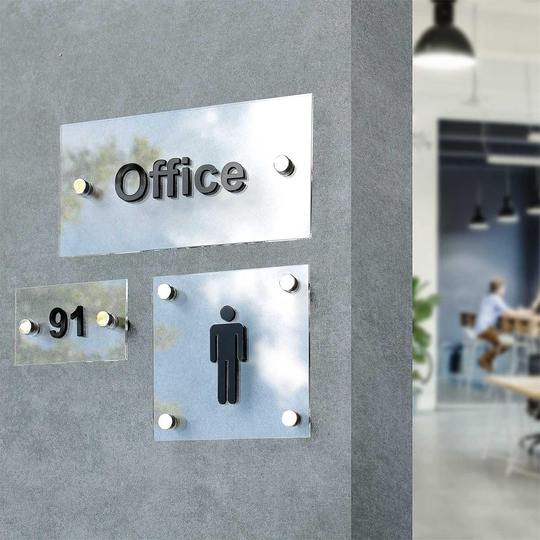
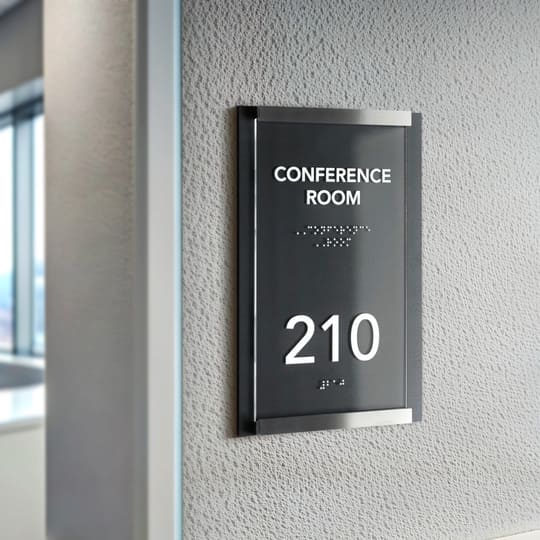
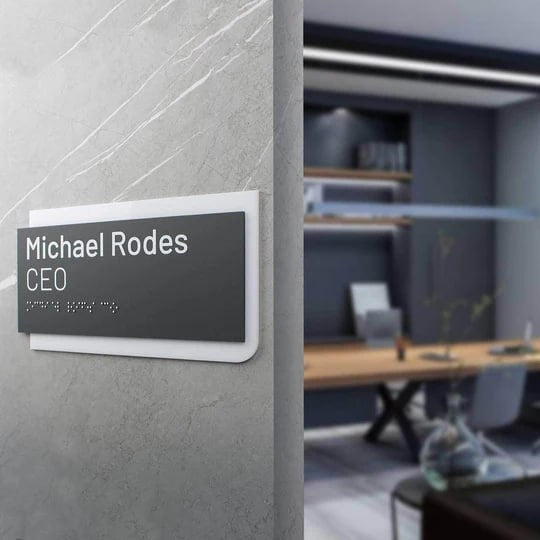
Modern information signs with a clean design and clear pictograms from the Modern collection, helping visitors absorb information without overload.

FAQ
Where should store signs be placed?
Place plates at decision-making points: at the entrance, at intersections of routes, near key zones, and before the checkout. This ensures maximum visibility and helps the shopper find the way quickly.
How to create a retail navigation system?
Start by defining the customer movement patterns, identify main zones, and build a navigation hierarchy. All elements must be connected and work as a single navigation system.
What is the difference between store and showroom signage?
In retail stores, the focus is on speed and flow; in showrooms, the emphasis is on experience and perception. Therefore, design and presentation differ.
How does navigation affect sales?
It reduces search time, increases product touchpoints, and guides customers through more zones. This directly affects the likelihood of purchase and the average order value.
Are fitting room signs necessary?
Yes, they are part of the service layout. Fitting-room signs help find the area quickly, reduce queues, and improve the overall experience.
How to make orientation clear?
In order to improve store navigation clarity, use short wording, contrasting materials, and repeat signals throughout the space. The simpler and more consistent the orientation system, the easier it is for visitors to understand.


